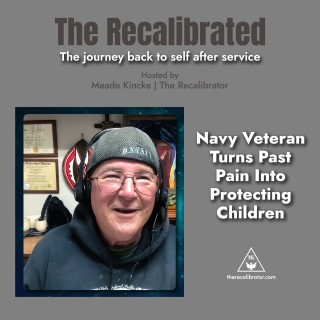
Welcome to The Recalibrated. I'm your
Download transcript (.srt)
1:00:07
1:00:09
1:00:11
1:00:11
1:00:14
1:00:15
1:00:18
1:00:20
1:00:21
1:00:23
1:00:26
1:00:27
1:00:29
1:00:31
1:00:34
1:00:35
1:00:37
1:00:42
1:00:43
1:00:46
1:00:48
1:00:52
1:00:53
1:00:57
1:00:59
1:01:02
1:01:05
1:01:08
1:01:10
1:01:11
1:01:14
1:01:15
1:01:16
1:01:19
1:01:22
1:01:25
1:01:27
1:01:30
1:01:32
1:01:35
1:01:36
1:01:37
1:01:38
1:01:42
1:01:44
1:01:46
1:01:48
1:01:49
1:01:52
1:01:53
1:01:55
1:02:00
1:02:04
1:02:11
1:02:14
1:02:15
1:02:19
1:02:20
1:02:22
1:02:24
1:02:26
1:02:31
1:02:34
1:02:35
1:02:36
1:02:39
1:02:42
1:02:44
1:02:48
1:02:49
1:02:52
1:02:54
1:02:55
1:02:57
1:03:00
1:03:01
1:03:04
1:03:05
1:03:07
1:03:09
1:03:12
1:03:14
1:03:15
1:03:19
1:03:21
1:03:22
1:03:25
1:03:26
1:03:27
1:03:30
1:03:32
1:03:35
1:03:36
1:03:37
1:03:40
1:03:41
1:03:43
1:03:44
1:03:48
1:03:50
1:03:52
1:03:55
1:03:57
1:03:58
1:04:04
1:04:05
1:04:06
1:04:10
1:04:13
1:04:16
1:04:17
1:04:19
1:04:22
1:04:23
1:04:24
1:04:26
1:04:28
1:04:29
1:04:32
1:04:33
1:04:35
1:04:38
1:04:39
1:04:43
1:04:46
1:04:47
1:04:49
1:04:50
1:04:52
1:04:55
1:04:59
1:05:01
1:05:05
1:05:09
1:05:10
1:05:11
1:05:15
1:05:17
1:05:17
1:05:23
1:05:25
1:05:26
1:05:29
1:05:30
1:05:32
1:05:36
1:05:37
1:05:39
1:05:40
1:05:42
1:05:44
1:05:46
1:05:47
1:05:49
1:05:52
1:05:53
1:05:55
1:05:58
1:06:01
1:06:03
1:06:07
1:06:09
1:06:11
1:06:14
1:06:15
1:06:16
1:06:18
1:06:19
1:06:22
1:06:24
1:06:26
1:06:29
1:06:31
1:06:34
1:06:36
1:06:38
1:06:41
1:06:42
1:06:44
1:06:47
1:06:51
1:06:53
1:06:54
1:06:56
1:06:57
1:06:58
1:07:01
1:07:04
1:07:06
1:07:08
1:07:09
1:07:11
1:07:16
1:07:18
1:07:19
1:07:27
1:07:28
1:07:30
1:07:32
1:07:34
1:07:36
1:07:39
1:07:42
1:07:44
1:07:47
1:07:49
1:07:50
1:07:53
1:07:55
1:07:57
1:07:59
1:08:00
1:08:02
1:08:04
1:08:05
1:08:07
1:08:13
1:08:15
1:08:18
1:08:20
1:08:23
1:08:25
1:08:27
1:08:30
1:08:31
1:08:33
1:08:38
1:08:42
1:08:45
1:08:47
1:08:48
1:08:50
1:08:54
1:08:57
1:08:58
1:09:00
1:09:02
1:09:03
1:09:05
1:09:06
1:09:09
1:09:11
1:09:16
1:09:19
1:09:22
1:09:23
1:09:25
1:09:26
1:09:28
1:09:31
1:09:32
1:09:36
1:09:39
1:09:40
1:09:42
1:09:45
1:09:46
1:09:48
1:09:51
1:09:54
1:09:56
1:09:59
1:10:01
1:10:03
1:10:06
1:10:09
1:10:10
1:10:13
1:10:16
1:10:17
1:10:21
1:10:22
1:10:25
1:10:27
1:10:30
1:10:31
1:10:33
1:10:35
1:10:37
1:10:39
1:10:40
1:10:42
1:10:44
1:10:47
1:10:50
1:10:52
1:10:53
1:10:56
1:10:58
1:11:00
1:11:02
1:11:03
1:11:04
1:11:08
1:11:10
1:11:12
1:11:14
1:11:18
1:11:20
1:11:22
1:11:25
1:11:28
1:11:29
1:11:31
1:11:33
1:11:35
1:11:37
1:11:40
1:11:43
1:11:47
1:11:49
1:11:52
1:11:54
1:11:56
1:11:57
1:12:00
1:12:02
1:12:05
1:12:08
1:12:11
1:12:12
1:12:14
1:12:18
1:12:20
1:12:21
1:12:24
1:12:25
1:12:28
1:12:32
1:12:34
1:12:36
1:12:39
1:12:41
1:12:45
1:12:46
1:12:48
1:12:51
1:12:53
1:12:56
1:13:03
1:13:07
1:13:08
1:13:11
1:13:12
1:13:16
1:13:17
1:13:19
1:13:20
1:13:21
1:13:23
1:13:25
1:13:26
1:13:28
1:13:31
1:13:32
1:13:34
1:13:36
1:13:38
1:13:42
1:13:43
1:13:45
1:13:47
1:13:49
1:13:52
1:13:54
1:13:56
1:13:58
1:14:00
1:14:02
1:14:03
1:14:07
1:14:09
1:14:11
1:14:13
1:14:15
1:14:21
1:14:24
1:14:28
1:14:32
1:14:33
1:14:34
1:14:38
1:14:39
1:14:42
1:14:44
1:14:46
1:14:48
1:14:50
1:14:52
1:14:54
1:14:56
1:14:57
1:15:00
1:15:03
1:15:04
1:15:07
1:15:10
1:15:12
1:15:14
1:15:16
1:15:19
1:15:22
1:15:26
1:15:28
1:15:29
1:15:31
1:15:33
1:15:35
1:15:38
1:15:40
1:15:42
1:15:46
1:15:47
1:15:50
1:15:52
1:15:53
1:15:54
1:15:56
1:15:58
1:15:59
1:16:01
1:16:03
1:16:04
1:16:07
1:16:10
1:16:11
1:16:12
1:16:14
1:16:15
1:16:18
1:16:19
1:16:23
1:16:24
1:16:27
1:16:33
1:16:35
1:16:37
1:16:40
1:16:43
1:16:44
1:16:46
1:16:48
1:16:49
1:16:50
1:16:54
1:16:55
1:16:57
1:16:59
1:17:01
1:17:02
1:17:07
1:17:08
1:17:11
1:17:14
1:17:15
1:17:17
1:17:18
1:17:21
1:17:22
1:17:23
1:17:26
1:17:29
1:17:29
1:17:33
1:17:35
1:17:37
1:17:38
1:17:43
1:17:45
1:17:47
1:17:49
1:17:50
1:17:53
1:17:55
1:17:56
1:17:59
1:18:02
1:18:05
1:18:07
1:18:09
1:18:11
1:18:13
1:18:17
1:18:18
1:18:21
1:18:24
1:18:26
1:18:29
1:18:33
1:18:34
1:18:36
1:18:39
1:18:40
1:18:41
1:18:43
1:18:46
1:18:54
1:18:54
1:18:56
1:18:58
1:19:00
1:19:03
1:19:05
1:19:06
1:19:07
1:19:10
1:19:12
1:19:13
1:19:15
1:19:16
1:19:17
1:19:18
1:19:19
1:19:21
1:19:23
1:19:25
1:19:26
1:19:31
1:19:34
1:19:35
1:19:37
1:19:40
1:19:44
1:19:48
1:19:50
1:19:51
1:19:53
1:19:55
1:19:57
1:20:03
1:20:05
1:20:06
1:20:08
1:20:09
1:20:12
1:20:13
1:20:15
1:20:18
1:20:20
1:20:23
1:20:25
1:20:27
1:20:30
1:20:34
1:20:38
1:20:41
1:20:43
1:20:45
1:20:47
1:20:50
1:20:52
1:20:55
1:20:57
1:20:59
1:21:02
1:21:04
1:21:05
1:21:07
1:21:11
1:21:12
1:21:14
1:21:16
1:21:18
1:21:23
1:21:24
1:21:26
1:21:27
1:21:28
1:21:30
1:21:31
1:21:33
1:21:36
1:21:38
1:21:40
1:21:43
1:21:45
1:21:47
1:21:51
1:21:53
1:21:55
1:21:57
1:21:59
1:22:02
1:22:05
1:22:06
1:22:08
1:22:10
1:22:11
1:22:14
1:22:16
1:22:18
1:22:19
1:22:21
1:22:24
1:22:26
1:22:30
1:22:33
1:22:35
1:22:38
1:22:40
1:22:43
1:22:45
1:22:46
1:22:47
1:22:49
1:22:50
1:22:52
1:22:54
1:22:57
1:22:59
1:23:03
1:23:04
1:23:05
1:23:07
1:23:09
1:23:10
1:23:11
1:23:13
1:23:16
1:23:19
1:23:21
1:23:24
1:23:28
1:23:29
1:23:31
1:23:32
1:23:33
1:23:37
1:23:41
1:23:43
1:23:46
1:23:48
1:23:52
1:23:54
1:23:56
1:23:59
1:24:03
1:24:05
1:24:06
1:24:09
1:24:11
1:24:14
1:24:15
1:24:17
1:24:20
1:24:24
1:24:25
1:24:28
1:24:29
1:24:30
1:24:35
1:24:37
1:24:38
1:24:41
1:24:43
1:24:47
1:24:50
1:24:52
1:24:53
1:24:56
1:24:57
1:24:58
1:25:00
1:25:03
1:25:05
1:25:09
1:25:10
1:25:11
1:25:14
1:25:18
1:25:20
1:25:23
1:25:25
1:25:27
1:25:31
1:25:33
1:25:35
1:25:40
1:25:44
1:25:47
1:25:50
1:25:51
1:25:53
1:25:56
1:25:59
1:26:01
1:26:04
1:26:06
1:26:10
1:26:12
1:26:14
1:26:16
1:26:21
1:26:22
1:26:24
1:26:26
1:26:28
1:26:30
1:26:32
1:26:33
1:26:35
1:26:37
1:26:40
1:26:41
1:26:45
1:26:46
1:26:49
1:26:51
1:26:53
1:26:57
1:26:59
1:27:01
1:27:02
1:27:06
1:27:08
1:27:10
1:27:13
1:27:16
1:27:17
1:27:22
1:27:25
1:27:27
1:27:30
1:27:31
1:27:32
1:27:34
1:27:37
1:27:39
1:27:41
1:27:44
1:27:45
1:27:48
1:27:50
1:27:53
1:27:56
1:27:57
1:27:59
1:28:00
1:28:02
1:28:03
1:28:05
1:28:08
1:28:11
1:28:13
1:28:19
1:28:23
1:28:24
1:28:25
1:28:32
1:28:33
1:28:36
1:28:41
1:28:42
1:28:43
1:28:47
1:28:51
1:28:52
1:28:56
1:29:00
1:29:04
1:29:06
1:29:10
1:29:12
1:29:13
1:29:14
1:29:16
1:29:17
1:29:18
1:29:22
1:29:23
1:29:25
1:29:28
1:29:29
1:29:32
1:29:35
1:29:38
1:29:42
1:29:43
1:29:44
1:29:48
1:29:51
1:29:52
1:29:55
1:29:58
1:29:59
1:30:01
1:30:02
1:30:05
1:30:08
1:30:10
1:30:14
1:30:16
1:30:17
1:30:19
1:30:21
1:30:22
1:30:25
1:30:27
1:30:28
1:30:31
1:30:35
1:30:36
1:30:41
1:30:42
1:30:44
1:30:45
1:30:47
1:30:51
1:30:54
1:30:56
1:30:59
1:31:02
1:31:03
1:31:05
1:31:09
1:31:10
1:31:13
1:31:15
1:31:17
1:31:20
1:31:22
1:31:24
1:31:26
1:31:29
1:31:30
1:31:32
1:31:36
1:31:38
1:31:41
1:31:44
1:31:46
1:31:47
1:31:48
1:31:50
1:31:52
1:31:54
1:31:55
1:31:58
1:32:00
1:32:02
1:32:03
1:32:09
1:32:10
1:32:11
1:32:13
1:32:16
1:32:18
1:32:21
1:32:23
1:32:25
1:32:28
1:32:32
1:32:34
1:32:36
1:32:37
1:32:38
1:32:40
1:32:42
1:32:43
1:32:45
1:32:46
1:32:49
1:32:51
1:32:52
1:32:54
1:32:57
1:32:59
1:33:00
1:33:02
1:33:05
1:33:07
1:33:11
1:33:12
1:33:14
1:33:17
1:33:19
1:33:21
1:33:25
1:33:27
1:33:28
1:33:33
1:33:34
1:33:36
1:33:42
1:33:47
1:33:49
1:33:53
1:33:54
1:33:56
1:33:59
1:34:00
1:34:03
1:34:06
1:34:07
1:34:09
1:34:11
1:34:12
1:34:13
1:34:16
1:34:19
1:34:20
1:34:22
1:34:26
1:34:28
1:34:31
1:34:33
1:34:36
1:34:38
1:34:40
1:34:42
1:34:45
1:34:47
1:34:49
1:34:50
1:34:52
1:34:54
1:34:56
1:34:58
1:35:02
1:35:04
1:35:07
1:35:08
1:35:11
1:35:15
1:35:17
1:35:19
1:35:24
1:35:26
1:35:27
1:35:28
1:35:31
1:35:32
1:35:33
1:35:36
1:35:38
1:35:40
1:35:42
1:35:44
1:35:45
1:35:50
1:35:51
1:35:53
1:35:54
1:35:56
1:35:58
1:36:00
1:36:03
1:36:05
1:36:06
1:36:08
1:36:13
1:36:17
1:36:19
1:36:21
1:36:24
1:36:31
1:36:32
1:36:34
1:36:37
1:36:40
1:36:42
1:36:43
1:36:45
1:36:47
1:36:49
1:36:50
1:36:54
1:36:55
1:36:58
1:36:59
1:37:01
1:37:03
1:37:06
1:37:08
1:37:09
1:37:12
1:37:15
1:37:17
1:37:19
1:37:22
1:37:25
1:37:28
1:37:32
1:37:34
1:37:36
1:37:37
1:37:39
1:37:43
1:37:45
1:37:46
1:37:48
1:37:52
1:37:56
1:37:58
1:37:59
1:38:02
1:38:04
1:38:05
1:38:06
1:38:10
1:38:12
1:38:13
1:38:16
1:38:18
1:38:22
1:38:26
1:38:28
1:38:29
1:38:31
1:38:34
1:38:35
1:38:39
1:38:40
1:38:42
1:38:44
1:38:47
1:38:48
1:38:50
1:38:51
1:38:53
1:38:56
1:38:58
1:39:00
1:39:02
1:39:03
1:39:05
1:39:08
1:39:10
1:39:11
1:39:14
1:39:15
1:39:17
1:39:21
1:39:22
1:39:24
1:39:28
1:39:29
1:39:30
1:39:33
1:39:34
1:39:36
1:39:38
1:39:40
1:39:42
1:39:43
1:39:45
1:39:47
1:39:49
1:39:51
1:39:55
1:39:57
1:39:59
1:40:00
1:40:03
1:40:04
1:40:06
1:40:08
1:40:10
1:40:12
1:40:16
1:40:18
1:40:22
1:40:27
1:40:32
1:40:38
1:40:38
1:40:41
1:40:47
1:40:48
1:40:51
1:40:52
1:40:54
1:40:58
1:41:02
1:41:04
1:41:07
1:41:09
1:41:11
1:41:13
1:41:15
1:41:16
1:41:22
1:41:26
1:41:27
1:41:28
1:41:30
1:41:33
1:41:35
1:41:36
1:41:40
1:41:41
1:41:43
1:41:45
1:41:47
1:41:50
1:41:52
1:41:54
1:41:57
1:41:59
1:42:00
1:42:03
1:42:06
1:42:10
1:42:12
1:42:16
1:42:19
1:42:21
1:42:23
1:42:28
1:42:30
1:42:32
1:42:33
1:42:35
1:42:37
1:42:39
1:42:41
1:42:43
1:42:44
1:42:46
1:42:47
1:42:49
1:42:51
1:42:54
1:42:55
1:42:58
1:42:58
1:42:59
1:43:03
1:43:04
1:43:05
1:43:07
1:43:09
1:43:11
1:43:15
1:43:16
1:43:18
1:43:21
1:43:23
1:43:24
1:43:27
1:43:30
1:43:31
1:43:35
1:43:36
1:43:38
1:43:41
1:43:43
1:43:45
1:43:49
1:43:52
1:43:54
1:43:55
1:43:57
1:44:00
1:44:02
1:44:04
1:44:07
1:44:08
1:44:11
1:44:15
1:44:17
1:44:19
1:44:21
1:44:22
1:44:25
1:44:28
1:44:35
1:44:36
1:44:37
1:44:39
1:44:41
1:44:44
1:44:45
1:44:48
1:44:51
1:44:53
1:44:55
1:44:56
1:44:59
1:45:00
1:45:02
1:45:03
1:45:06
1:45:07
1:45:11
1:45:15
1:45:18
1:45:20
1:45:21
1:45:23
1:45:24
1:45:28
1:45:29
1:45:32
1:45:35
1:45:37
1:45:39
1:45:41
1:45:45
1:45:46
1:45:49
1:45:51
1:45:52
1:45:57
1:45:58
1:46:00
1:46:03
1:46:04
1:46:05
1:46:09
1:46:11
1:46:12
1:46:14
1:46:15
1:46:18
1:46:22
1:46:26
1:46:28
1:46:29
1:46:31
1:46:34
1:46:36
1:46:38
1:46:41
1:46:43
1:46:46
1:46:47
1:46:50
1:46:54
1:47:00
1:47:02
1:47:03
1:47:05
1:47:09
1:47:10
1:47:13
1:47:15
1:47:19
1:47:20
1:47:22
1:47:27
1:47:30
1:47:33
1:47:36
1:47:37
1:47:40
1:47:41
1:47:43
1:47:45
1:47:47
1:47:48
1:47:50
1:47:53
1:47:54
1:47:56
1:48:01
1:48:05
1:48:06
1:48:08
1:48:10
1:48:13
1:48:13
1:48:16
1:48:19
1:48:20
1:48:21
1:48:25
1:48:26
1:48:28
1:48:30
1:48:31
1:48:33
1:48:37
1:48:39
1:48:41
1:48:43
1:48:44
1:48:48
1:48:49
1:48:52
1:48:53
1:48:59
1:49:01
1:49:03
1:49:06
1:49:07
1:49:08
1:49:16
1:49:17
1:49:18
1:49:24
1:49:26
1:49:29
1:49:33
1:49:35
1:49:36
1:49:41
1:49:42
1:49:44
1:49:45
1:49:48
1:49:52
1:49:58
1:50:00
1:50:02
1:50:04
1:50:06
1:50:07
1:50:08
1:50:11
1:50:14
1:50:16
1:50:21
1:50:23
1:50:24
1:50:29
1:50:32
1:50:33
1:50:34
1:50:38
1:50:39
1:50:41
1:50:45
1:50:48
1:50:50
1:50:54
1:50:56
1:50:57
1:51:00
1:51:01
host, Meade Kincke, and
I'm here to take us through
the journey of being in the service,
transitioning out, and
what today looks like.
Our guest, Sean Wheeler, served over 20
years in the United
States Navy from seaman recruit
to lieutenant, travelled to over 30
countries, and provided crucial
information to shape
military action and cooperation around
the world. Today, he is
combating child trafficking
through his nonprofit, Starfish
Ministries. Sean, welcome to the show.
Thank you very much. It's a great
pleasure to be here.
Absolutely wonderful to have you, good sir.
So, let's begin with the why. Why were you
drawn to the Navy, as
opposed to any other service?
Oh, you know, I think I always had a
sense of adventure. And
early on in my childhood,
I got books about sailing and faraway
places. And, you know,
that when in my high school
days, when the recruiters showed up and
they had that tall ship
on there, and it's like,
"Join the Navy! See the world!", and I fell
for the romance of it.
And, you know, it wasn't...
certainly wasn't always that way, but
it's funny, because my
wife now, we visit, we just
got back from Key West, and I just feel
at home around harbours
and ships and, you know,
in Hawaii, I tell her the
ocean still calls to me, so...
Okay. So, no inclinations to be a bird
rather than than a boat?
No, no air force? None of
that?
No, my eyes... I don't have the vision for it.
But I worked with a
lot of aviators. So, you
know, and Marines and Army as well. So
it's, yeah, it was a good run.
I like it. So as far as, you know, let's
say humble beginnings.
What was it like... your journey
starting out as an E1? What did... the what,
the where, the how?
Tell us the whole thing.
Well, you mentioned briefly about my
nonprofit work today. I
was I grew up in an abusive
situation. And so I was on my own at 16.
18 rolled around, I
figured, you know, what do
I do? And I really didn't want to go to
college. And like I said,
I was drawn to the Navy,
also in part because I was an exchange
student overseas. And I
thought, you know, it was
it was a time when it's like, yeah, we
have to value our
liberty and do something for
it. And so, you know, I was I was drawn
to that. And then of
course, the adventure part.
You know, when they say join the Navy,
see the world, you really
do. So but it was, yeah,
it was a sense of patriotic spirit. And
also looking, you know,
when you're on your own at
16 in high school, and I tell kids today,
you know, don't whine when
all you have to do is homework,
because I had to get an apartment, pay
rent, get all the insurance,
have a car, get the insurance,
work a full time job, get my own food, and
go to school, and do my homework.
Now you're leaving out the you're leaving
out climbing uphill both
ways in the snow. You need
to keep that part in.
Exactly. And you know, I mean, it was
it's not really good for a 16
year old to be on their own,
but I really wanted to feel like I was
part of something again. And
honestly, it was odd when I
got to boot camp. I tell people I
actually enjoyed boot camp because it's
like adults are yelling at
me, I feel like a kid again. And I didn't
even do anything again,
feel like a kid again. So yeah,
I was quite happy. And the Navy really
was family in many ways.
So yeah, I mean, like you started off
like how how you mentioned
boot camp, how how was that,
you know, before you was it always an
adventure? We did you know what was
coming next? Or were you
just kind of like, I'm along for the
ride? Yeah, I'm kind of was kind of along
for the ride. I mean,
you know, it, it had its tough moments, I
will say I do believe the
Marines have hands down the
toughest boot camp of all the services.
We weren't exactly a
cakewalk by any stretch of the
imagination. But you know, our company,
company commanders
introduced themselves. And the one guy
said, if you don't hate me now, you're
going to at nine weeks.
It's like, Oh, good. You know,
but I did that. That's a guarantee. Yeah,
it pretty much is, you
know, but it was structure.
And honestly, I think at 18, you think
you're an adult, but you're
still really technically very
much an adolescent. And after being two
years and a totally unstructured
everything on my own
environment, I liked the structure. And I
got through just fine. I
still have they give you two
report chits when you check in the boot
camp, and I still have both
of mine. So I never got written
up for anything. It's almost like, you
know, in a positive way,
like the story and you know,
it's a true story of like the man who
said, I just want to be
arrested so I can have some place to
sleep and play, you know, things to eat
and people to take care of me and be
around. And it's like,
that's, I get it, you know, I totally
like I just need
something that makes sense.
Yeah, I really do believe that's
important for teenagers in
particular, and probably 20
somethings to feel still like you're,
you're have more of a structured
environment. So fair enough.
Fair enough. Yeah, the the, you know, the
joke, not so much of a
joke phrase of like, make your
bed, take care of yourself, brush your
teeth, do the thing. And
it's easy to kind of feel like,
I would say, like an untethered balloon
where you go, great, I have ability, I
can float and fly, but
attached to what? Who am I connected to,
you know? And it gives
you a sense of community.
All right, I get that. And, you know, a
lot, a lot of men would say, you know,
this is a brotherhood. And I think that
that is not a word to
be thrown around lightly.
That's very true. It's, you know, and we,
I know the Marines,
the Army, the Air Force,
everybody feels the same way. But their
own particular service,
you feel very more connected
there. But you still feel a connection
with others. And so, you
know, I have a stepson now who was
in the Marines, he likes to say that they
were the men's department
of the Navy. And I like to
remind him that I outrank him. You're like,
good, sir. Not only can I take
you around and show you what's
what I'm an 01. So how about no? Well,
yeah, actually, in the
Navy, I retired as an 03.
03, pardon, I had that incorrect.
Technically, what's called
an 03E. So I was known as what
was called a Mustang because I was prior
enlisted. But it's like
flexing on them a little bit.
Oh, yeah. And I remind him just remember
old age and treachery will
take out youth and strength
anytime. Well, see, this is one of those
things that you can tell
like the phrase of like,
for the strength, dad's strength. Listen,
you know, that guy where
you're like, oh, he's kind of got
like a little bit of a belly and a set on
the other that man will
bury you. Don't play that game.
That's not a wise decision. No, that's
for sure. So yeah, that
so that's pretty much it.
So how about this? You go through and
you're, you know, just starting out, you
end, as you even said,
you know, an officer, how did you get to
be a geopolitical analyst?
Because that's not exactly
what, you know, usually the young men's
set out to be when they first get in.
Yeah, very true. You know, I was as an
enlisted rank, a cryptologic technician
working in the code world, I think,
honestly, one has to have more of an
engineering mindset to do
well in that. My commanding officer at
my, at the end of my first enlistment,
the captain called me
in and said, you need to go to college
and get commissioned. And
I'm going to send you letters
in school and checking up on you, make
sure you're being good and
all that. And he did actually.
So I ended up leaving the Navy and then I
got a recommendation from him. I got a
recommendation from that because he knew
people, the senior Republican in the
house of representatives
at that time sent the Navy secretary a
recommendation. So I
was given what was called
a direct commission because I had six
years of active duty,
almost seven and a half actually,
and, and reserve. And so, you know, I
became a commissioned
officer at that time still in
cryptology discovered I, that's an even
more advanced level of
engineering mindthink. And
it's like, I do not like this. I'm not a,
I'm not a numbers guy, but I
had worked with enough people
who were what were called geopolitical
analysts and decided I
wanted to do that. So in the Navy,
there's two designators, the career
numbers that are assigned. And I became,
I moved over to what
was called a 1630, uh, intelligence
officer. And part of what I studied in
school was the middle
east and Arabic. And so I was, uh,
plugged into a middle-eastern
geopolitical track at that point.
Okay. So that picture
was kind of painted there.
And I, and I love the
work. It was fascinating.
What a favorite, like obviously we're not
talking classified or otherwise, but
it like, what's taken really, really fun
bit. Like, did you just
got the most joy out of?
Well, I tell people, um, cause actually
went back to teach at the Intel school,
new, uh, junior officers coming in and I,
I told him, I used to read
like five newspapers a day,
not everything, just the new sections.
And, you know, it's
interesting to see what you can learn
and what they call open source material.
And then you know, something
about what's going on behind.
And it's like, so we read typically the
wall street journal, New York times,
LA times, Jerusalem post and the
Christian science monitor.
Um, and yeah, it's kind of
fun to put the puzzle together. Well, you
do your best too.
When you're learning, um,
I was during the first Gulf war doing the
overnight briefing for
the admiral and nothing
went on. So I thought, well, I'm, I'm
doing my own spin on this
today. And I get up and I do my,
my presentation and the admirals looking
at me like this. And he said, well, Sean,
whose assessment is that? I said, well,
sir, it's mine. Am I
wrong? And he's like,
and the captain behind him said, Oh, for
crying out loud, don leave
the kid alone. It's as good
as anything I've heard. And I thought,
you know, break out the
giant rubber stamp. Good enough.
There we go. Well, I mean, you know,
there are times you learn by
doing just like anything else.
And now, you know, then after years I
became much more seasoned at it. Um, and
so, because you have
more experience, exposure, knowledge
base. So, but yeah, that was one of my
early things. It's like,
well, I think this means that. And yeah,
fair enough. Like your,
your guess is as good as any,
who knows? Yeah. Who the hell came up
with that? It was a slow
Tuesday. Leave me be. Yes. Quite
right. So I'll ask, I'll ask a different,
uh, adjacent question, a
little different query.
What is a story that you are ever so glad
that smartphones were
not around to record?
Oh gosh. Um, yeah. On at work or on
leave. Um, you know, I say this much
dealer's choice, good sir
you get to play it how you like.
Well,
I mean, you know, sailors that leave in, in Key West,
we just got back from
visiting there and the aviators first
time I went down there,
took me, they said, well,
we're taking you to the hog tonight. It's
like, why is there a hog on
Key West? And why do I care?
They said, it's not a hog. It's the hog
and it's the hog's breath saloon, uh,
which you may be able
to see as my sign back here. I see it, I
see it. So, you know, we
went there and, and who knows
what all went on, but I, it was, it's a
classic aviators bar. It
still has that vibe today,
you know, but yeah, you kind of let your
hair down, what little you
have, um, and just really,
yeah. And you probably use words. Your
mom would be like, I did not teach my
baby to speak that way.
Well, you are like kind of, you know,
wearing the, uh, you
swear like a sailor. I mean,
it's in the title.
And it's, it's funny though that when I
became an officer and a gentleman per,
as my brother points out, I took an act
of Congress to make me a gentleman.
Um, at least I got there.
One out of two, ain't bad?
Exactly. Perfect. Now, you know, for,
for, I can, I can tell one of my favorite
things that happened
are most interesting things. I was
stationed in Alaska, um, on watch it's
the middle of the night.
Because I work in the area that I worked
at, I was inside the vault
and this knock on the door and I opened
it up and it's the watch officer.
She hands me a loaded 45 and said, I
don't know what's going on,
but somebody just kicked in the
front door. They had four more locked
doors to go through to
get to us. Um, and she said,
if someone hands you a sidearm and says,
you know, it's time to go.
That's, that's not a funny ha ha
moment. No, it wasn't, but it worked out
and it's sort of an odd way. It's like,
she said, as far as I'm
concerned, we're under attack and
lines have been cut. And it's like, so
she said, do what you do.
And keep in mind, I was, I'm a 19 year
old enlisted cryptologist and what I was
taught to do is send
out what they call the flash messages,
which I did. We were in
Alaska. I sent it to Elmendorf
air force base, Kim, Cammy said, Japan
and Pearl Harbor, Hawaii.
Well, unbeknownst to us,
air force one is sitting on the tarmac at
the North air force
base, ready to take off.
And they delayed it. Okay. So yeah, we
don't know what's going
on. And then sure enough,
about 40 minutes later, she knocked on
the door and she said,
well, it turned out the
Marines were conducting an exercise and
how to invade a space and
didn't tell anybody about it.
And I go pale because I'm getting these
calls from like, you know, senior
officer, what the hell
was going on up there, young man? And,
and it's like, I have not
gotten anything more. I will
let you know as soon as I can. And they
said, and we have air
force one waiting to take off.
So I told her all
that. And she's like, okay.
Okay. The appropriate response of is
there more to this story?
I don't think it gets any worse than you
put the air force one on hold.
But it, you know, so maybe within half an
hour, the commanding
officer, the executive officer,
my division officer, my division chief
are all in the vault with me and I'm
scared to death thinking,
what the hell did I do? And the watch
officer too. And she's like,
what did we do? And, and the
CO turned to chief and said, damn chief,
when you teach your kids to
turn to and carry out the plan
of the day, by God they do. Well, by
that point, air force one had been
alerted. Okay. It was
a non-emergency. They took off. It was
fine. Apparently the
president wasn't even aware.
It didn't care. Even the next day,
apparently I'm told he found the whole
thing rather amusing.
With the brandy, like
that sounds hilarious.
I can picture some poor child, you know,
19 year old kid
shaking with the 1911, like,
Oh no, what am I doing? What am I doing?
I'm not even done with
adolescence and they're going to
send me to Leavenworth. And yeah, so you
see it turned out rather,
and it turns out the Marines
figured that out on their own. The, the
Marine CO on the Island
got some trouble for that.
And, uh, as well, he should have. Cause
it's like, you know,
breaking to somebody else's command
without informing the CO that, you know,
um, so, but they, I mean,
you can, but you also may, uh,
kind of turn red on from the inside out.
Like that's, that's a quick
way to find out as the phrase
goes, you know, Oh yeah. But the watch
officer and I, we were
just fine. Um, okay. You know,
so the president apparently wasn't
annoyed at all. I mean, it delayed his
flight, maybe an hour. Um,
okay. But yeah, that's wild. See, that's
one of those weird timing
things where you go like, well,
the clocks aligned and it was half past
stupid. And you go like, well, what did
they do? And they're
like, well, they ran an op and you go,
was this the time or the place to run an op?
You go, "no!" The funny thing is we had, you
know, because we worked
with aviators and so I had to
erase all of the boards that they had in
theirs and then shred a
bunch of material. And I was
taught, if you have a thermite grenade,
you put it on top of the
safe, pull the plug and it melts
down and destroys. And the CO is like,
damn, it's a good thing. We didn't give
the boy any thermite
grenades or any of these people. Cause he
would have melted the
safes, I would have because
that's why I was like, you're lucky you
didn't give him shape
charges. Like, you know what,
let's have some fun today. Like why not?
Exactly. And so, you know,
and that gave her back to the
watch officer back her loaded 45. But
yeah, I mean, you know, it's
like, come on, I don't even
shave yet. You people are doing this to
me. That is wild.
Okay. So going from that,
thank you so much. That's brilliant. So
like fast forwarding a
bit, like fast forward,
just a touch like near the end of your
service, like what, what
kind of drove your decision to
retire? Well, I, um, on eight and Alaska
where I was stationed, I, uh, I was
enlisted and then I got
out and then I went to London actually
and got out after London,
went out back to the United
States, went to college in a reserve
unit. And that's when I got
commissioned. Um, and I got out
of university and with a degree in
journalism and worked one job, two jobs
in TV and decided this
really is not for me. So I looked at the
Navy and I went back on active duty,
this time as an, as an ensign, an O1.
And, um, you know, uh, with the hope of,
I joined it, I went on active duty as a
reservist, hoping to
be picked up for, um,
full time active duty, regular commission
kind of thing. And at, at the
end of two and a half years,
the, uh, Senate cut the number of
approved intelligence
officers in the Navy by 48%.
And so there was nowhere for me to be
promoted to. So I said,
okay, I guess I'll get out and go
to graduate school. And that's what I
did. Um, but I stayed in the reserve the
whole time. And so I
was able to travel to Thailand and Hawaii
and places like that and
get my full 20 years, um,
and retired as a, as an O3
"lefttenant", as y'all might say.
"Lefttenant", indeed. Yeah. No,
it's, it's always that
thing where when you talk
British Royal Navy and then you talk
States Navy, it's like
only, only small differences,
only small differences. Yes. We learned
quite a bit of our traditions
from the British Royal Navy.
I would never, ever to this day, toast
anyone at an evening meal
or anywhere else with water.
Gin, like gins of coffee, juice, milk,
anything, but, but water. And
we get that from the British
Navy because the belief is if you toast
somebody with water as a
naval person and a sailor will
drown. So fair play. Well, the thing
about it is there's actually
an old, old, uh, like it's,
it's been made into like popular like
cocktail culture and all of
that in the past decade or so.
But if you've ever heard of like a pink
gin, you actually have the
British Royal Navy to thank for
that. Because as you know, being a
sailor, ice is scarce on a boat. You
don't have like fresh,
fresh milk is, is rarity and ice is also
a rarity. And what ends up
happening is, you know, ages ago,
the, um, their daily rations would
include Plymouth, um, Navy
strength, gin, and it would
also come with Angostura bitters. And you
go, well, what am I
supposed to do with this? It's
not like we can go to, you know, London
and have a party. So what
they figured out this like
absolute amazing bit of alchemy is if you
put just enough of the
Angostura in with the gin to
pink it, it, it's, it's like turning lead
into gold. Like you, you,
you tasted and you go like,
there's sugar in this, there's this and
this. And you go like, it's, there's
nothing except these
really complicated, very loud
ingredients. So yeah, again,
just the British Royal Navy.
Yeah, quite right. Absolutely not. So
let's, let's do it this
way. You're out. You're done.
You're, you're civilian. What was the
moment that kind of
crystallising moment where you realized,
okay, this is going to
be a little bit different.
You know, I was, as I noted, I was
trained as a Middle Eastern Islamic
geopolitical officer and
the Navy and its infinite wisdom first
assigned me to NCIS and
the Navy Yard, which I loved.
And it does look exactly well, very close
to the office on the TV
show. You know, and I enjoyed
that. But then when I moved West to
continue graduate school,
they took me out of that unit
and put me in one in Aurora and their
focus was on the Korean
peninsula. And it's like,
I know nothing about the Korean
peninsula. I'm a Middle
Eastern expert. And I really don't
exactly look Korean just to say, well,
yeah, most internal officers don't have.
Oh no, it just, it needed to be poked
very hard of all the
things you're going to look
like it's not. Yeah. Well, that's true.
And, you know, it's an interesting
geopolitical situation.
I was more fascinated by Thailand and
Burma, but so I found a unit
where I was able to move over
for like two and a half, three years that
focused back on the Middle
Eastern stuff. And then for
some reason the other one fell short. And
so it's like the Godfather
movie line. It's like just
when I think I've gotten away, they pull
me back. And I ended
up staying there my last
few years. And it just was not, that's
when I realized, okay,
as soon as I hit my 20 or
eligibility, I'm out. I just, I don't
like this work anymore. Yeah.
So let's do it this way. What
all of a sudden, you know, like day two,
you're a civilian. What did
not translate well, like coming
from it being two decades in the military
to going to like great,
I'm a civilian. What just
didn't translate? You know, I think
probably the sense of
community, you have to figure out
a new community to find and be part of,
but even the work
relationships that I did, I became a
landscape architect, worked for, you
know, municipal and county and government
as a land use planner,
development planner. And I worked with a
lot of great people, but you
know, the sense of belonging
and pride and being part of something
just didn't exist there. For
most people, it was a job that
they loved maybe, but just a job. And,
you know, that's an
extremely common thing. And
questions of like, well, what helped you
adjust? And like, what,
I've said this before, and I'm
sure you have the exact same thing. Well,
it's sort of like a weird
death in a way you go like, well,
guess what? None of that makes sense
anymore. Kind of like what,
what helped you like, you know,
kind of get back into the world and find
your, you know, your crew,
your groups and all of that.
I think a lot of it came from the fact
that I was on my own so
young, I was very adaptable.
You know, and because I managed to stay
the 20 years, I managed to
retain my military benefits.
And so, you know, we'll go to the local
Air Force base for commissary
run, we can shape privileges
like at the Hale Koei and Oahu, which is
a military resort. And
so when I get back into
those places, I feel very much more like
I'm surrounded by long lost friends.
At home, welcome all of that.
Yeah, yeah. And even in Key West, even
though it's been several
decades since I've been there
and was stationed there, you know, it's
like, this was home to me
for a while. And, you know,
it's like Virginia Beach and Hawaii and
London. I took my wife to
visit London and I said,
this isn't just a visit to a city, which
is interesting. It was
my home. And I'm very
attached to that. And so that's that kept
me grounded. But yeah,
this is just the early
experience of being on my own. It's like,
well, if you, what are you
going to do? You got to get up
or give up, give up or get up. So I
always choose to get up.
So how about this? Was there anything
that you needed to, let's say,
unlearn like, oh, can't do that anymore.
Well, you know, not really so much. I, it
just makes the reason I
laugh is I was a military
contractor in Afghanistan in 2011. And I
came back from that
compound and, and my wife is like,
you have got to put correct that language
because, you know, you get
to a point where every word is
not one that she wanted to hear. And it's
like, you come back and you go, pardon,
that was a little bit off
the cuff. I apologise. Exactly.
I have to laugh because,
you know, being British, the
you always make everything sound so
elegant. It's like, oh, well, we can also
have the horse you rode in on. Yeah,
well, that's true, though.
But the thing about it is we can
also go like, because like when people
say like, oh, do a British
accent and you go which one we
have 200. Like if you go, like, yeah, if
you go like East end
London, like, oh, well, you know,
sort you out, like you can get, you can
get a little bit on
the on the rougher and
depending on where you go. So yeah,
that's very true. Horses for courses.
Yeah. Yeah. Yeah. This caught me that
apples and pears, apples
and pears get up those stairs.
Like there's a there's some deeper cuts.
So like talking about
having a drink like,
would you fetch us a pig's ear? Pig's ear
beer. Oh, okay. Okay. And
that's one of those ones where
you're like, I'll fetch us a pig's ear,
would you? And you go,
okay, now we're talking code.
Yeah, you know, and so that was really
pretty much it. But when I got off,
you know, active duty into reserve and
being just a single
college student hanging out with
college friends, it was less of an issue
how you spoke. So you sort
of gradually realise when
you're at home, remember, parents and
uncles are watching. And you're not
you're not on an active
construction site mind the tongue.
Exactly. And so you, you you fit in. But
fair play. Fair play.
Yeah. Okay. Well, I'll just say to the
guests in the in the
house, if you are enjoying this
conversation as much as we are enjoying
having it smash that
subscribe button. Now, I'll say this.
Now, all of that, blah, blah, blah, all
of you know, like gloss over your life.
What are you doing now?
Well, as you noted, it's another complete
turn and direction in my
life. I run a non profit. We're
focused on what is the mission there?
Well, our mission is in the
fight against child trafficking,
specifically sex trafficking, but also,
you know, bringing up
awareness of labor trafficking.
Often the two go hand in hand. And I do
provide a voice for for
boys in the public arena. The
reason I was on my own at 16 is because I
became a very angry
teenager's teenager because
as a preteen, I had been sex trafficked
myself for nearly five
years. And my family had no clue
because of the way the network operated.
You know, there's a myth that
all kids are stolen away and
disappeared. Yes, that certainly does
happen more often than people
might like to admit. But yeah,
I was I was routinely handed over and
then brought back after a
few hours and, you know,
as if nothing had happened kind of thing.
Right. And you learn to hide
stuff very well. And so now
you know, my mom and dad divorced. And,
you know, that's when
we moved away from that
town just for a turn to age 10. And we
moved to another state.
But you know, 10 to 11,
I was sort of like, okay, yeah, I'm away
from it. But other predators
would still find me and to my
teens. And essentially, at some point, my
mom decided to remarry,
which she did and then
moved to want to move to a different
state. Well, I'm in the
middle of high school, you know,
I'm about to go into my junior year.
Yeah, that's not the time of place. So
it's just, you know,
so I ended up living with my sister for a
year. And then I lived with
my brother. And, and but in
terms of when I say living, I had my own
key, I was responsible for
my own life. And that's why I
was on my own. And I really learned
quickly, it's like, I do not like this, I
want to feel like I'm
part of something again. So that brings
it back full circle. Yeah,
the military thing. But yeah,
what I do is I speak now to educate the
public on what
trafficking looks like. It's a very
constantly moving target. I teach people
that that boys are in fact,
likely half the victims in the
United States and globally as well. I
talk about how it can be, you
know, what things parents can
do to keep their kids safe. I do. I go to
Congress and I lobby for
legislation. I'm part of a survivor
council group out of New York. And my
most recent thing is I work with a
nonprofit out of the UK
called the justice defenders. And they
help people in Africa and
three countries who've been falsely
incarcerated get, get out of prisons.
They are faith based like my
organisation is faith based.
And a friend of mine, Bruce, who was in
prison himself for many
years, got out and connected
with them. And he said, I, I have told
them all about you. So you're
going to get a call. Keep in
mind, Bruce is like, like six foot five,
very strong and, and
very black. And he's like,
and I don't want any back talk or sass.
It's like, I love
Bruce. He's an amazing man,
but he's a gentle giant really. But so I
get a call from the director and he said,
we encounter a lot of people with your
past who are in prison because
they were abused as children.
They simply don't know how to trust
anyone we can love on them. We're, you
know, a Christian faith
based organization. We can teach them
about all kinds of things.
But if they're not willing to
believe that they're worth being loved,
they'll never receive our
help. Would you come to Africa
to be our voice? And I said, yes. So in
May of last year, I was in,
or this year, I was in Kenya.
We were supposed to go to Uganda last
month and didn't. But
upcoming trips are planned, but
that's an amazing bit of work because I
got to speak in five
prisons and 11 days in Kenya.
And I am an ordained pastor now. And so
I, you know, I was able to
give a message and tell people,
first of all, it was never your fault.
Don't let the world define
you, you know, and there's,
and give them all kinds of reasons to
say, let down your guard just one more
time and let justice
defenders help you. And maybe they can
get you set free. And every single prison
I had people tell me,
okay, I'll try. Wow. And, you know, this
is like the worst case of
pound puppies. You go like,
would you just let me touch you? Just,
just let me touch you so we can talk.
Like that's it. Yeah.
Very true. I mean, and you can see it
pulls up emotions in me
because I see, you know,
what happened to me in the past. I'm now
able to help people with that.
And that's one facet of my work now. But
yeah, I'm, there were
times in my life when,
honestly, I was very much like that. It's
like, can somebody just, you know,
hold me or love me. And it's like, you
don't, you don't want to
be touched by anyone. But
I don't even know if it's a want, but you
feel like you just can't, you know, like,
it's that thing of like, I don't think I
don't, I think as long as
someone has a heartbeat,
they always have the want, but there,
there can be just so much
piled on top of it where you go,
but I can't though, you know,
that's very, that's a great way to
describe it because, you know, and I'm
not there anymore. But
you know, if I was visiting some players
at a church or
somewhere in a strange man,
and sometimes a woman too would hug me,
my first thought would be,
okay, would do I have to perform
Jesus. You know, because they put that
into you. Now I don't
feel that way any longer.
Then you get sort of processed that you
realise you get to a point
where you say to yourself,
no one touches me unless they want
something. And you really, you get
through that and you get
through all these things. I had so many
people in the prisons in
Kenya asked to be hugged. And it's
like, absolutely, I can. And you're like,
I'm not going anywhere. We'll
hug for 13 minutes. We'll do
this. You know, and what they told me was
because I tear up often when I speak, um,
the Kenyans we worked with, and it's
really important from
African men to see that because we
to set, set it up for you. We tell them
this man's come from halfway
around the world just to talk
to you. And he has a powerful story and
horrible things happen and be
prepared because he delivers
a message unlike you've ever seen. And I
get up there at points, I've
got tears and they're like,
you're allowed to cry. Yes, you are. I'm
going to say one thing. I'm
going to say one thing as an
interjection. You used a word that I
don't really like. I'll say
it this way. You said the word
things happen to me. Now I can say it
like this. You, you know,
you've studied, um, what we can
call coincidences and you look at
patterns and you study all of that, but I
can say it like this. The,
you know, the butterfly flaps its wings.
Everything, everything is
connected one way or the other.
And to say that something happened to you
is like dismissive to
me where you can say,
oh, well, you know, the wind happened to
blow across my face. I'll
say, I say bad things were
done to you because that, that ascribes
the responsibility. It's
not something that, oh,
it just happened. It just happened. It
didn't, it didn't just
happen. This was done.
Yeah. I love that. Um, a lot of times
when I've spoken in the West
and this also wasn't true in
Kenya, people say, well, you know, I'll
talk to people ahead of
time. So what we're really
talking about here is child rape. Yeah.
And they're like, say the
words, say the word because that's
what it is. Call it. And they don't want
you to use that word. And
so, you know, I've learned to
soften it up somewhat for American
audiences. Alexander McLean
who founded justice defender
said, don't soften it up here. Call it
what it is. Call it wrong.
And I said, you know, so I'd
never been told that before. Now I'm
getting to a point and I love
what you just said. It's not
things happen to you. It's not like it's
not a breeze in the wind.
This was a decision. It was,
and you can quote me on this. Bad people
do bad things. That's a
fast. Well, I'm going to say
this. I detest that this was done to you.
I thank you for soldiering
on. Thank you very much. It's,
I found my purpose. And, you know, I get
it. This is not what I picked, but it is.
But, you know, I look along the way. I
mean, I tell people,
look, it's a rare day
when I don't relive those events in my
mind, but from a
theological perspective, it's like,
it's a terrible thing to lay down on
yourself a life sentence
when God holds the pardon in his
hand. I can say it this much. I can say
it this much when all
that, all that is is noise. You
know, it's one of those things where the,
the kind of urchins from the
past always want to steal the
light from me from tomorrow. And here's
the big thing that they
always forget. The big, big thing.
Laughter, joy, all of that. And you go,
you know what? I went
bowling for the past two and a half
hours and I didn't think about you once
because you're just a shade.
And that's the thing. That's
the thing to remember when you go like,
no. And I think that's the thing that
people forget is it's
easy to forget that you have the power,
the ability to say no.
Right. And that's everything,
you know, it's, I have had people say,
just let it all go. Well,
that's not exactly easy to do.
We can't, exactly. And it's like, we
can't change the past, but what we can
change is what we let
it do to us. Definitely. And so now, you
know, I remember I'm not there. I realize
and I'm making a difference. One of the
stories I told him in Kenya
was I said, they asked me why
Kenya, why Africa? And I said, because I
want to see the lions. And they're like,
well, don't get too close. They'll, they
might be in the mood for American food.
It's like, and so I told him when I was
about six or seven and a
lot of that was going on,
my mom gave me a book about the animals
in Kenya. Sure. And you
know, it was proof to me that,
that all the stuff that happened didn't
take away my innocence as
a child. Because I remember
reading the story thinking, if I could
just get to Kenya and
hang out with those lions,
they would keep those, they would keep me
safe. And, you know, you
don't think, no, they'd look
at you as a nice little snack. But you
know, because a little
kid, you think, yeah, I'll go
hide behind the line. Well, and I, I told
him in Kenya, I said, the
ironic thing is the very thing
that I was trying to escape from the US
as a little kid and come to
Kenya is, is now what draws me
here in the end anyway. I'll tell you,
I'll say it from Rudyard
Kipling. Keep, keep reading about
the animals. Yeah. I mean, it's just, and
then I heard a real lion's
roar. I wrote an article for
justice defenders. And when you hear a
real lion the first time, I've never
heard a surround sound
that imitates that fact. It scared the
bejeebers out of me. We
were at our outdoor restaurant
and I hear this roar and the Kenyan
staffers said, ah, you heard
one of our lions. Yeah. Yeah.
Is he real? He said, oh, he's very real.
And is he just over
this wall? He said, oh no,
if he were there, we wouldn't be here.
He's about two miles away.
Two miles or harbor many meters. That is
a way. It's like, but you
know, you hear that. And then
I found out an African lions roar can be
heard up to five miles
distant on the Savannah. There you
go. And, you know, um, it's, it's a very
powerful thing. And so, but
yeah, that it's just ironic.
The thing I wanted to get away from to
see the lions is not what
you call home. Yeah. It brought
me there in the end to be. So, you know,
it's a good thing. There you go. Okay.
I mean, these, these, I can't thank you
enough. These are amazing
stories and thank you, sir.
But like with all of this, which is just
kind of, if you wrote it
down, no one would believe it.
I'll say it that way. Like it's, it's
just wild. What, what would
you like want people to know
about, you know, like your story and
veterans and like just
today talking about all of the,
oh, well, I've been left alone or I
needed something. I needed to be
together. What's the
thing that like, if you could give like
the thought to civilians
and go like this will help.
Oh, I'm, I'm not really sure. I think,
you know, I do get
asked sometimes it's like,
how come the veterans get all this
healthcare and stuff and everybody else
doesn't. And it's like,
well, first of all, 1.5 to maybe 2% of
the entire population are
veterans. So 98% of you live off
the freedom that we went there to defend.
You know, so that's, it's not
like it's just handed to us,
but unfortunately in the area, I live in
Colorado, Larimer County is the second
highest, most veteran
suicide area in the country, or at least
is very highly rated and
veterans commit suicide for a
lot of reason. In fact, you know, the
last time I was actually
abused was at my very first duty
station. And that's when I finally drew a
line in the sand and said,
no, whatever is going to take
advantage of me again. And they tried to,
you know, I think the intent was to get
me booted out of the
Navy on a medical discharge and it didn't
work. And I managed to
stay 20 years. So, you know,
but veterans are, and service people are,
I don't want to say necessarily unique.
Well, we are unique.
There's a lot of different types of
unique. I mean, we're, it
was good for me, but, you know,
we need to not turn our backs on them. We
have too many homeless vets.
I will say some of them choose
that. And that's fine. But it's like, if
you have resources that are available,
don't want to use them,
then that's your choice. But, you know,
it just really,
everybody's got a story. And, and
like I said, it's a rare day. I don't
remember stuff, but in, in,
in many ways, I've had a very
good life and I'm, and I'm not unhappy
with how it's been. And so
I've had my odd adventures. I
mean, who can say they put Air Force One
on hold? Okay. Let's do this. I
don't want another person to
do that, but yeah, I mean, you're one of
two. You're one of two. Yeah. Okay. Let's
go a little bit lighter.
What is like a telly show or a film or
something that you just love
and it can be something that
it's so stupid and that like it's bad and
it's hilarious because
it's bad. It can be because
they nailed it and you've like, Oh, they,
they did this so well. It's
like, I can taste how accurate
that is. Like what's the thing that jumps
out to you? I think there
are two. There's, you know,
I've always thought the TV show M.A.S.H.
really nailed it because it
captures the dramatic side of,
and I've talked to Korean veterans who
are like, yeah, they really
sort of nailed, but it also
captures the community side. And, you
know, when I was a
junior enlisted and I was on
in my off hours in a house party or
something, the lieutenant
would say, just call me Phil.
You know, if you let your guard down the
workspace, you wouldn't
call them by their first. Yeah.
Yeah. Yeah. But you know, it was the mash
really showed both the
challenges, but also the community
relationship. One that cracks me up is
Kelsey Grammer was in a submarine movie
called Up Periscope.
Down Periscope. Down Periscope. It's one
of my absolute
favourites. Oh my goodness. They're
saying, you really want that guy? He has
a tattoo on his member that says welcome
aboard. And I thought,
you know, it's crude, but I would drink
with this man. Like I
can quote, I can quote that
film verbatim. It's like, tell them about
the Mermansk brushing
instant incident and you go like,
yeah, no, that's. And there are pieces of
junk that the military
has that they've held on to
forever. And yet the U.S.S. Rustoleum Yeah, exactly.
So I mean, those would
be, those would be two.
Good war movies out and, you know, it's
not that war is good, but if it's the
telling of the story,
I think one another one I love, which is
sort of in between is
called the final countdown
where an aircraft carrier goes back in
time. You know, a little
different of a tale. Yeah. Yeah.
Oh my goodness. Well, Sean, I can say
thank you so much for
coming. And finally,
for everyone that have been just
journeying along with
this, with this story,
how can they find you? How
can they connect with you?
Well, and you're free to share on any
post. My website is
www.starfishcolorado.org.
And the name of our organization, the
Starfish Ministries
Colorado. And it has my email phone,
contact information. And so that's,
that's a great way to connect and they
can see the interviews
I've done. You know, my book is on there
if they're interested in
some of that too. I mean, it's,
it's all starfishcolorado.org is a good
place to connect. And I get
it, it has, and I do respond
to my email. Well, there we go. Okay.
Well, listen, this has
been absolutely brilliant. And
thank you again. And you know, we'll,
we'll have plenty more in
the next episode. Cheers all.