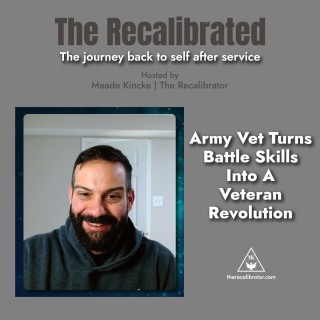
Welcome to The Recalibrated. I'm your
Download transcript (.srt)
1:00:07
1:00:09
1:00:11
1:00:11
1:00:14
1:00:15
1:00:17
1:00:19
1:00:21
1:00:22
1:00:25
1:00:27
1:00:29
1:00:32
1:00:34
1:00:36
1:00:40
1:00:43
1:00:44
1:00:49
1:00:52
1:00:53
1:00:55
1:01:00
1:01:01
1:01:02
1:01:06
1:01:08
1:01:11
1:01:12
1:01:14
1:01:15
1:01:17
1:01:18
1:01:20
1:01:23
1:01:24
1:01:26
1:01:27
1:01:28
1:01:30
1:01:32
1:01:34
1:01:36
1:01:39
1:01:41
1:01:43
1:01:45
1:01:47
1:01:50
1:01:51
1:01:53
1:01:55
1:01:58
1:01:59
1:02:01
1:02:03
1:02:04
1:02:07
1:02:09
1:02:11
1:02:14
1:02:15
1:02:17
1:02:19
1:02:21
1:02:24
1:02:25
1:02:26
1:02:27
1:02:29
1:02:32
1:02:33
1:02:36
1:02:38
1:02:39
1:02:41
1:02:42
1:02:43
1:02:46
1:02:48
1:02:49
1:02:50
1:02:51
1:02:55
1:02:56
1:03:02
1:03:04
1:03:05
1:03:06
1:03:08
1:03:10
1:03:11
1:03:13
1:03:15
1:03:18
1:03:20
1:03:24
1:03:26
1:03:30
1:03:31
1:03:33
1:03:34
1:03:35
1:03:40
1:03:40
1:03:43
1:03:46
1:03:48
1:03:50
1:03:53
1:03:54
1:03:55
1:03:57
1:04:01
1:04:02
1:04:04
1:04:05
1:04:06
1:04:08
1:04:10
1:04:13
1:04:16
1:04:17
1:04:19
1:04:21
1:04:22
1:04:24
1:04:27
1:04:29
1:04:30
1:04:32
1:04:33
1:04:35
1:04:37
1:04:38
1:04:39
1:04:41
1:04:43
1:04:45
1:04:47
1:04:50
1:04:55
1:04:57
1:04:58
1:05:00
1:05:02
1:05:06
1:05:08
1:05:13
1:05:17
1:05:21
1:05:23
1:05:25
1:05:28
1:05:30
1:05:32
1:05:34
1:05:36
1:05:37
1:05:39
1:05:40
1:05:42
1:05:44
1:05:45
1:05:47
1:05:49
1:05:51
1:05:51
1:05:54
1:05:56
1:05:57
1:05:59
1:06:01
1:06:03
1:06:05
1:06:07
1:06:09
1:06:11
1:06:12
1:06:14
1:06:16
1:06:18
1:06:20
1:06:23
1:06:24
1:06:26
1:06:29
1:06:29
1:06:31
1:06:34
1:06:36
1:06:37
1:06:39
1:06:42
1:06:43
1:06:46
1:06:46
1:06:49
1:06:50
1:06:51
1:06:52
1:06:55
1:06:57
1:06:59
1:07:03
1:07:04
1:07:06
1:07:10
1:07:11
1:07:13
1:07:16
1:07:17
1:07:20
1:07:23
1:07:25
1:07:27
1:07:30
1:07:32
1:07:33
1:07:36
1:07:37
1:07:38
1:07:43
1:07:44
1:07:45
1:07:48
1:07:50
1:07:51
1:07:55
1:07:58
1:08:00
1:08:02
1:08:05
1:08:07
1:08:10
1:08:12
1:08:16
1:08:22
1:08:25
1:08:26
1:08:28
1:08:30
1:08:32
1:08:33
1:08:36
1:08:37
1:08:41
1:08:42
1:08:47
1:08:48
1:08:50
1:08:52
1:08:53
1:08:55
1:09:01
1:09:04
1:09:07
1:09:08
1:09:12
1:09:15
1:09:18
1:09:18
1:09:20
1:09:22
1:09:23
1:09:26
1:09:28
1:09:31
1:09:33
1:09:38
1:09:41
1:09:43
1:09:45
1:09:46
1:09:47
1:09:49
1:09:50
1:09:53
1:09:55
1:09:57
1:09:58
1:10:00
1:10:01
1:10:03
1:10:04
1:10:05
1:10:08
1:10:10
1:10:12
1:10:13
1:10:14
1:10:16
1:10:19
1:10:25
1:10:28
1:10:29
1:10:31
1:10:34
1:10:36
1:10:38
1:10:40
1:10:41
1:10:43
1:10:45
1:10:46
1:10:47
1:10:49
1:10:50
1:10:52
1:10:54
1:10:56
1:10:59
1:11:04
1:11:08
1:11:09
1:11:10
1:11:13
1:11:14
1:11:16
1:11:19
1:11:21
1:11:22
1:11:24
1:11:25
1:11:26
1:11:27
1:11:30
1:11:32
1:11:33
1:11:36
1:11:38
1:11:45
1:11:48
1:11:50
1:11:52
1:11:54
1:11:57
1:11:58
1:12:00
1:12:01
1:12:03
1:12:05
1:12:07
1:12:09
1:12:12
1:12:13
1:12:16
1:12:20
1:12:24
1:12:26
1:12:32
1:12:34
1:12:36
1:12:39
1:12:42
1:12:43
1:12:44
1:12:46
1:12:47
1:12:50
1:12:53
1:12:55
1:12:56
1:12:59
1:13:02
1:13:02
1:13:04
1:13:05
1:13:06
1:13:07
1:13:10
1:13:11
1:13:13
1:13:14
1:13:15
1:13:18
1:13:21
1:13:22
1:13:28
1:13:31
1:13:32
1:13:33
1:13:34
1:13:35
1:13:37
1:13:38
1:13:40
1:13:45
1:13:47
1:13:49
1:13:52
1:13:53
1:13:55
1:13:56
1:13:57
1:14:00
1:14:02
1:14:04
1:14:05
1:14:07
1:14:08
1:14:11
1:14:13
1:14:14
1:14:15
1:14:17
1:14:18
1:14:20
1:14:22
1:14:24
1:14:25
1:14:26
1:14:28
1:14:29
1:14:32
1:14:33
1:14:35
1:14:37
1:14:41
1:14:43
1:14:45
1:14:46
1:14:48
1:14:48
1:14:49
1:14:51
1:14:53
1:14:54
1:14:56
1:14:58
1:15:00
1:15:03
1:15:04
1:15:06
1:15:08
1:15:11
1:15:13
1:15:16
1:15:18
1:15:20
1:15:22
1:15:24
1:15:26
1:15:27
1:15:29
1:15:31
1:15:33
1:15:37
1:15:38
1:15:39
1:15:42
1:15:44
1:15:45
1:15:47
1:15:48
1:15:49
1:15:51
1:15:53
1:15:55
1:15:57
1:16:00
1:16:01
1:16:03
1:16:05
1:16:08
1:16:11
1:16:12
1:16:14
1:16:15
1:16:16
1:16:18
1:16:19
1:16:21
1:16:22
1:16:25
1:16:27
1:16:28
1:16:30
1:16:32
1:16:33
1:16:37
1:16:38
1:16:41
1:16:45
1:16:47
1:16:48
1:16:50
1:16:52
1:16:54
1:16:58
1:17:01
1:17:04
1:17:11
1:17:12
1:17:13
1:17:19
1:17:20
1:17:22
1:17:24
1:17:26
1:17:27
1:17:29
1:17:30
1:17:32
1:17:33
1:17:35
1:17:37
1:17:38
1:17:41
1:17:42
1:17:44
1:17:46
1:17:47
1:17:50
1:17:52
1:17:53
1:17:56
1:17:58
1:17:58
1:18:03
1:18:04
1:18:06
1:18:08
1:18:11
1:18:12
1:18:13
1:18:15
1:18:17
1:18:19
1:18:20
1:18:22
1:18:23
1:18:25
1:18:27
1:18:29
1:18:30
1:18:33
1:18:35
1:18:36
1:18:37
1:18:38
1:18:39
1:18:41
1:18:45
1:18:46
1:18:50
1:18:52
1:18:53
1:18:55
1:18:57
1:18:58
1:19:01
1:19:01
1:19:03
1:19:06
1:19:09
1:19:10
1:19:12
1:19:15
1:19:16
1:19:18
1:19:20
1:19:22
1:19:26
1:19:27
1:19:29
1:19:31
1:19:32
1:19:34
1:19:36
1:19:37
1:19:38
1:19:40
1:19:42
1:19:44
1:19:46
1:19:47
1:19:49
1:19:50
1:19:52
1:19:53
1:19:55
1:19:57
1:19:59
1:20:01
1:20:03
1:20:04
1:20:06
1:20:07
1:20:09
1:20:11
1:20:13
1:20:15
1:20:16
1:20:17
1:20:19
1:20:21
1:20:24
1:20:24
1:20:26
1:20:28
1:20:31
1:20:34
1:20:35
1:20:36
1:20:38
1:20:39
1:20:40
1:20:43
1:20:45
1:20:46
1:20:48
1:20:49
1:20:50
1:20:52
1:20:54
1:20:57
1:20:59
1:21:01
1:21:03
1:21:04
1:21:08
1:21:10
1:21:12
1:21:13
1:21:18
1:21:23
1:21:26
1:21:29
1:21:33
1:21:34
1:21:35
1:21:38
1:21:39
1:21:40
1:21:45
1:21:47
1:21:49
1:21:51
1:21:52
1:21:54
1:21:57
1:21:58
1:22:00
1:22:02
1:22:03
1:22:04
1:22:06
1:22:06
1:22:09
1:22:11
1:22:12
1:22:13
1:22:14
1:22:18
1:22:20
1:22:21
1:22:24
1:22:29
1:22:30
1:22:31
1:22:34
1:22:35
1:22:36
1:22:38
1:22:39
1:22:41
1:22:43
1:22:44
1:22:46
1:22:49
1:22:51
1:22:54
1:22:57
1:22:59
1:23:00
1:23:02
1:23:03
1:23:04
1:23:09
1:23:10
1:23:11
1:23:13
1:23:14
1:23:17
1:23:21
1:23:23
1:23:26
1:23:29
1:23:30
1:23:31
1:23:34
1:23:35
1:23:41
1:23:43
1:23:45
1:23:47
1:23:50
1:23:51
1:23:53
1:23:54
1:23:56
1:23:58
1:23:59
1:24:01
1:24:03
1:24:05
1:24:06
1:24:09
1:24:10
1:24:11
1:24:14
1:24:18
1:24:18
1:24:21
1:24:23
1:24:25
1:24:25
1:24:27
1:24:28
1:24:29
1:24:31
1:24:33
1:24:35
1:24:37
1:24:38
1:24:38
1:24:41
1:24:43
1:24:45
1:24:46
1:24:48
1:24:49
1:24:51
1:24:52
1:24:55
1:24:57
1:24:57
1:24:59
1:25:01
1:25:02
1:25:04
1:25:05
1:25:06
1:25:08
1:25:10
1:25:12
1:25:12
1:25:15
1:25:17
1:25:18
1:25:20
1:25:22
1:25:24
1:25:27
1:25:28
1:25:29
1:25:32
1:25:34
1:25:35
1:25:37
1:25:39
1:25:42
1:25:43
1:25:45
1:25:46
1:25:48
1:25:51
1:25:52
1:25:53
1:25:55
1:25:57
1:25:59
1:26:01
1:26:03
1:26:05
1:26:07
1:26:10
1:26:13
1:26:14
1:26:16
1:26:19
1:26:21
1:26:23
1:26:25
1:26:27
1:26:28
1:26:29
1:26:30
1:26:32
1:26:34
1:26:37
1:26:38
1:26:40
1:26:43
1:26:44
1:26:46
1:26:48
1:26:49
1:26:51
1:26:53
1:26:54
1:26:56
1:26:58
1:26:59
1:27:02
1:27:06
1:27:08
1:27:10
1:27:11
1:27:13
1:27:16
1:27:18
1:27:19
1:27:23
1:27:24
1:27:27
1:27:28
1:27:30
1:27:32
1:27:33
1:27:34
1:27:37
1:27:40
1:27:41
1:27:43
1:27:44
1:27:45
1:27:47
1:27:50
1:27:51
1:27:54
1:27:57
1:27:58
1:28:00
1:28:05
1:28:07
1:28:08
1:28:11
1:28:12
1:28:14
1:28:17
1:28:18
1:28:19
1:28:20
1:28:24
1:28:25
1:28:27
1:28:29
1:28:31
1:28:33
1:28:35
1:28:37
1:28:38
1:28:40
1:28:42
1:28:43
1:28:45
1:28:47
1:28:48
1:28:50
1:28:51
1:28:52
1:28:55
1:28:57
1:28:58
1:29:00
1:29:02
1:29:04
1:29:06
1:29:08
1:29:10
1:29:11
1:29:13
1:29:15
1:29:16
1:29:19
1:29:20
1:29:22
1:29:26
1:29:29
1:29:35
1:29:37
1:29:39
1:29:42
1:29:46
1:29:46
1:29:48
1:29:49
1:29:51
1:29:53
1:29:55
1:29:56
1:29:58
1:30:01
1:30:02
1:30:04
1:30:06
1:30:09
1:30:11
1:30:13
1:30:15
1:30:16
1:30:18
1:30:20
1:30:21
1:30:23
1:30:24
1:30:27
1:30:29
1:30:30
1:30:30
1:30:31
1:30:33
1:30:35
1:30:37
1:30:39
1:30:40
1:30:42
1:30:43
1:30:44
1:30:47
1:30:48
1:30:49
1:30:52
1:30:54
1:30:55
1:30:57
1:31:02
1:31:04
1:31:06
1:31:08
1:31:09
1:31:11
1:31:13
1:31:15
1:31:18
1:31:20
1:31:22
1:31:23
1:31:25
1:31:27
1:31:29
1:31:34
1:31:36
1:31:37
1:31:40
1:31:40
1:31:42
1:31:45
1:31:46
1:31:51
1:31:56
1:31:58
1:32:00
1:32:03
1:32:05
1:32:08
1:32:10
1:32:11
1:32:12
1:32:14
1:32:16
1:32:17
1:32:18
1:32:23
1:32:25
1:32:28
1:32:32
1:32:36
1:32:38
1:32:39
1:32:42
1:32:43
1:32:44
1:32:45
1:32:48
1:32:48
1:32:51
1:32:54
1:32:56
1:32:59
1:33:03
1:33:04
1:33:05
1:33:06
1:33:10
1:33:11
1:33:13
1:33:16
1:33:18
1:33:20
1:33:21
1:33:23
1:33:26
1:33:28
1:33:28
1:33:33
1:33:38
1:33:39
1:33:42
1:33:45
1:33:47
1:33:50
1:33:55
1:33:56
1:33:57
1:33:59
1:34:01
1:34:03
1:34:04
1:34:06
1:34:08
1:34:09
1:34:10
1:34:12
1:34:14
1:34:16
1:34:19
1:34:21
1:34:22
1:34:23
1:34:26
1:34:29
1:34:32
1:34:36
1:34:38
1:34:41
1:34:44
1:34:46
1:34:48
1:34:51
1:34:53
1:34:54
1:34:58
1:35:00
1:35:01
1:35:05
1:35:05
1:35:08
1:35:09
1:35:11
1:35:13
1:35:15
1:35:19
1:35:22
1:35:25
1:35:27
1:35:30
1:35:32
1:35:38
1:35:41
1:35:43
1:35:48
1:35:50
1:35:51
1:35:53
1:35:55
1:35:56
1:35:57
1:35:59
1:36:02
1:36:06
1:36:07
1:36:08
1:36:11
1:36:12
1:36:13
1:36:15
1:36:18
1:36:20
1:36:22
1:36:24
1:36:28
1:36:30
1:36:31
1:36:33
1:36:34
1:36:37
1:36:39
1:36:41
1:36:44
1:36:46
1:36:48
1:36:50
1:36:51
1:36:52
1:36:54
1:36:55
1:36:56
1:36:58
1:37:03
1:37:06
1:37:07
1:37:09
1:37:11
1:37:13
1:37:14
1:37:15
1:37:17
1:37:19
1:37:21
1:37:23
1:37:25
1:37:27
1:37:30
1:37:31
1:37:33
1:37:36
1:37:39
1:37:44
1:37:45
1:37:47
1:37:52
1:37:55
1:37:57
1:37:58
1:38:00
1:38:04
1:38:09
1:38:12
1:38:13
1:38:14
1:38:18
1:38:19
1:38:20
1:38:22
1:38:24
1:38:26
1:38:27
1:38:28
1:38:30
1:38:31
1:38:33
1:38:36
1:38:37
1:38:39
1:38:40
1:38:41
1:38:45
1:38:46
1:38:49
1:38:50
1:38:52
1:38:53
1:38:55
1:38:58
1:38:59
1:39:01
1:39:04
1:39:05
1:39:08
1:39:13
1:39:14
1:39:18
1:39:19
1:39:23
1:39:26
1:39:28
1:39:30
1:39:33
1:39:35
1:39:36
1:39:37
1:39:38
1:39:40
1:39:41
1:39:43
1:39:44
1:39:47
1:39:49
1:39:52
1:39:54
1:39:56
1:39:57
1:39:59
1:40:01
1:40:05
1:40:08
1:40:12
1:40:13
1:40:14
1:40:16
1:40:20
1:40:22
1:40:23
1:40:25
1:40:27
1:40:28
1:40:32
1:40:35
1:40:37
1:40:40
1:40:42
1:40:44
1:40:46
1:40:49
1:40:50
1:40:52
1:40:56
1:40:58
1:41:03
1:41:03
1:41:04
1:41:09
1:41:11
1:41:12
1:41:18
1:41:22
1:41:24
1:41:25
1:41:27
1:41:29
1:41:31
1:41:33
1:41:34
1:41:35
1:41:39
1:41:40
1:41:43
1:41:45
1:41:46
1:41:48
1:41:49
1:41:51
1:41:56
1:41:58
1:41:59
1:42:01
1:42:03
1:42:05
1:42:07
1:42:09
1:42:10
1:42:15
1:42:17
1:42:19
1:42:22
1:42:24
1:42:26
1:42:29
1:42:30
1:42:32
1:42:35
1:42:36
1:42:37
1:42:40
1:42:41
1:42:43
1:42:46
1:42:47
1:42:49
1:42:50
1:42:53
1:42:57
1:42:59
1:43:00
1:43:01
1:43:03
host, Meade Kincke, and
I'm here to take us through
the journey of being in the service,
transitioning out, and
what today looks like.
Our guest, John Kerkhoff, began his
service in the United States Air Force
before transitioning
to the Army, serving 20 years and leaving
as First Sergeant. John
led a recon and surveillance
squadron of over 200 soldiers, including
40 NCOs and three
officers, supporting combat
operations around the world. Today, he is
founder and CEO of Frago 22,
building powerful solutions
for veterans to succeed in work and life.
John, welcome to the show.
Well, thank you for
having me. Excited to be here.
There we go! So let's begin with the why,
you know, that little
ticky detail. What was the
initial draw for you to go, you know, to
the Air Force and then why
did you switch to the Army?
Everyone always wants to know why you
switch branches. Well, it
makes sense because usually
you go from Army to the Air Force and
here I am doing it backwards,
but that's what we do, right?
I love it. So I actually started in high
school, I was kind of
flirting with the idea of joining
and it was just kind of on the fence
about it. And actually,
when I graduated high school,
I had made a deal with my mom that I
would not join, I would
do a year of college first
before making a decision. I was not the
best kid in school, you
know, that that whole mantra
"it pays to get A's, but C's get degrees", you
know, kind of was floating with that. And
so I ended up going to community college
right out of high school,
but then 9/11 happened. So
I said, nope, mom deal's off, got to go.
And I was talking to the
recruiters, I was originally
actually supposed to join the Marines.
And so I did all the ASVAB
and stuff with the Marines and
due to a, we'll just say a "disagreement"
with my Marine recruiter, I ended up
joining the Air Force.
And went there was a metal worker for the
Air Force for a little
bit, was having a good
time. However, the job in the Air Force
didn't promote. And the
Air Force started downsizing.
And they said, Hey, look, you can get out
clean slate, you could
join the reserves. Well,
that's kind of when the height of the war
was spinning back up. I
had deployed with an Army
unit in the Air Force to support the...
some missions out there. And
when I came back, the Air Force
had they launched this thing called "blue
to green". And if you
transition to the army,
they would match any bonus army gave you
to switch. And so I said, Well,
if I'm not going to go anywhere in the
Air Force, I'll go join the
army and ended up switching
branches and picked to be a scout and
stuck with it since.
How about that. So
That's just hilarious. You're like, well,
this isn't working. We'll
go over here. What's with
this? You know, okay, sure. Why not?
Like, you just kind of sound like a
balloon floating. You
go like, well, this this seems like the
opportune time to do things.
I love that. I love it. And
opportunist is not a bad thing to have.
So let's say about this way. What about
like humble beginnings,
as far as being an infantryman? Well, I
will say this, switching
branches from the Air Force
to the Army. Yeah,
humbled you real quick, fast,
and in a hurry. Especially when you're going
from like a maintenance
job to a straight combat job.
And so yeah, there was a lot of hard
lessons I had to learn. And
there was a lot of, you know,
nuances between the branches. So those
who have been in the Air Force,
pretty much anyone who outranks
you is Sir or Ma'am. Sure. As for the
Army, it no Sir, Ma'am is
reserved for officers. And so I
had this habit having been in the Air
Force three years where
anyone who outranked me,
I was just like, Oh, yes, sir. Yes,
ma'am. And I'm not an
officer. I work for the blah blah.
I have said this so many times and and so
many stories of
exactly that where you go,
Listen, if you start calling an NCO,
sir, you will get barked
at exactly what you said of
I work for my living. This is not. And
especially like people, you
know, very polite culture,
like when you talk like South United, you
know, Southern United
States, everyone is Sir or Ma'am.
Like that's a that's a normal thing. So
you can kind of get into
that thing where you just
have it as a, you know, a thing of being
polite, a proper conversation. You go,
Hello, so and you go, Oh, no, no, no, no,
no, no, no, pull it back, pull it back.
Yeah, but I had that
lesson beat out of me a lot.
That's it. It's not exactly natural.
Again, like it's a normal thing of
respect. And you go,
Yeah, but you are going to feel respect
in a different way, good sir.
Wow. You respect me while you do these
push ups until I'm tired. Understood.
So as far as the journey from
that to quality assurance evaluator
sounds a bit of a journey. How
did we get from say point A to
B to Z or something in between? So
actually, the quality
assurance evaluator was I was part of
the armour school. So those who know the
Army structure, a scout,
we fall under armour branch.
And so just it was towards the end of my
career, I had already put
in the retirement packet.
But I had a while ago. So the armour
school I was already at Fort
Benning. And the armour school
was like, Hey, you're a first sergeant
for an OSINT unit, you also were a drill
sergeant for an OSINT
unit once upon a time. We're revamping
the way we teach scouts and
we're going to change basic
training. Why don't you come to the armour
school? And you can help us
do that while you're riding
out the time to get out. And that's kind
of how that happened. Gotcha. Gotcha.
Gotcha. It was more the army
saw an opportunity and was like, well, we
don't want you to hold this first
sergeant slot as you
get out in the OSINT unit. So we're just
gonna let you go to the armour
school and change the way the
armour trains. Well, that kind of
steps on the like the second
part of the question I had of
like, was this something that you chose?
Or was this something you
were led to? Because usually
it's kind of a blend of both. It is. It
was a blend of both because they they
asked me if I would be
willing to do that. And I didn't want to
hold that slot for someone who's well on
their way to wanting
to full blown career. I had to turn down
the Sergeant Major
Academy, I made the OML, I had to
turn that down to drop my retirement
packet, so, I'm like, I don't want to hold
someone else's career
back just for me to ride out a time. How
altruistic of you.
Yeah, we'll go with that. Or
because it was an easier job. Look, six
of one, half a dozen of the
other, you know, you take it
how you like it. Yeah. So you amongst
some wonderful
characters have joined us on the
weekly gathering, Mission: Recalibration.
And we've kind of gone over
some stories where the theme,
whether we want it to be or not is I'm so
glad that a smartphone was
not around present to record
this. And I'll just ask, like, what's,
what's like the funniest or even like
just most ridiculous
moment that just bam comes to mind and
you go, Oh, thank
goodness, no one had a smartphone.
Well, I have one in particular, and it's
not necessarily a
smartphone moment. It's more or
less glad it wasn't recorded moment.
Fair, fair. And I think
you'll get a kick out of this. You
remember the song, "Fergalicious"? Early
2000s. Yeah. Yeah, yeah,
yeah. From Fergie. Yeah. Yeah.
So there's nothing like when you
rendition it to be, "Kerkalicious", after
you call in an airstrike
that blows up a bridge, but you hot mic
it across across the squadron net,
while the aircraft on station
are part of that net. Wow.
Wow. This is like, that's one of those
things like when you talk
aviation and exactly that the
hot mic and you go, wait, I wasn't
supposed to say, "Oh, oh my goodness! Oh,
that's too much ice!
Oh, don't tell them! Don't! Oh no!" And
you go, that was keyed
open. You go, oh, no, no, no, no, no.
Everyone just calm down. Put on the
captain voice. Yeah, but I was singing
like, and I'm not a singer,
right? So you don't want me singing, but
here we confirm the
mission, everything good,
battle damage, test, but here I am on the
high mic, "I'm Kerkalicious! Ah ah ah!"
Only a little bit of kind of sociopathic
tendencies. It does. It does smack of a
good scene in a film or a
telly show where you go like,
Button.
Yeah, she knows that that whole have body
awareness and know where
your hand mic button is and make
sure you're not pressing against it. And
yeah, yeah, yeah, good
times. It was slightly omitted
in this particular instance. Let's just
say it that way. Wow.
Okay. So that, I mean, that,
that counts for sure. And I guess kind of
like fast forwarding, what,
what drove your decision to,
you know, retire? Like, where were you
like nearing and just
going like, Oh, I'm just done.
Or like, was this planned or
somewhere in between there?
So it was actually, I, I, I'd kind of
been flirting with the idea a
little bit. And a lot of it was
all my mentors were always like, Hey,
listen, don't try to rush
it. Don't try to force it.
You will know when it's time, it will
like hit you like a bag of
bricks, right? And I'm like,
okay, so I'm just kind of doing my thing.
And like COVID happened
and just the way things were
shifting at Fort Benning and basic
training and all that. And finally, one
day I woke up, I'm like,
no, we're done. We're absolutely done. And I walked
in the next day, I put my stuff, and submitted it is like,
some of the stories like, so you remember
the whole COVID thing,
right? Just around the world.
Well, lost its mind. Yeah. The base
didn't have enough masks to
give these recruits coming in.
Sure. But then I'm being held responsible
that these guys don't
have masks. And I'm like,
what do you want from me? Like it got to
this point where these kids
were getting their Charlie
Browns, a brand new pack of those brown,
you know, whitey
tighties, but they're brown.
They would cut them open and then create
a mask of one of them, just so like,
people would leave us alone.
And you sort of wake up on days like,
Yeah, like, what's that old, old phrase
of, you know, a lack of
planning on your part does not
constitute an emergency on mine. Where
you go. Listen, if you
wanted this, that's that's your
show. Fine. But you didn't provide us
with any of this. So yeah, great. And you
know, it wasn't just
me having that, like all of all the first
sergeants, we were all having
this battle, our sergeant majors were
having this battle. And it was just sort
of like, if no one in the
world could get these masks,
what makes you think that we're just
gonna poof? And yes, we we unicorn and
and rainbow every day.
But come on, man. Yeah, that.
Wow. Sounds sadly accurate. You know,
that whole thing of the the
joke, but not so joke of military
intelligence. And you go, we're here.
We're full circle. So that,
yeah, it kind of sounds like a
weird bad breakup, like where, you know,
the end of it. And you go
and then like, she burnt all my
clothes and you go, yeah, I'm done. I'm
good. We're good. Okay.
She tried to set me on fire.
And that's grounds for breaking up? Yes.
I well, was this the
first or the second time?
I mean, maybe the 80th time. There we go.
See, now we're talking. Oh,
so getting into a little bit
more recent. What was after you got out?
Like, what was the first moment you went,
okay, civilian life is going to be a
little bit different.
Well, I already knew that ahead of time.
The benefit was being in
that QA office, I was already
working with civilians. So I was already
kind of getting that taste
of it. But reality struck
actually, probably six months out, when I
was out already, I had
been working a job with
communications company, building data
centres. And, you know, kind of just
seeing how that was.
And I was like, yeah, I was putting
myself in this mindset,
like, hey, this is just new,
I have to get used to it. It's something
completely different. Just like when I
went into the military,
I kind of had that same mentality, right?
Just, I have to learn,
I have to understand,
I have to grow. But then just the way
they were operating, and like, as a
culture, as a corporate
culture, I'm like, this is stupid. Like,
this is even worse. Like,
at least in the military,
we all embrace the suck together out
here. Not only is
everyone embracing the suck,
but everyone's making it worse for
everyone else because now
they want to beat it into them.
Yeah, I get it. Yeah, that's one of those
things that's so funny,
because, you know, like, when I
coach and otherwise, I play both sides of
it. So I know what, you
know, corporate looks like,
I also know what military looks like, I
know what, you know,
intelligence looks like, and you go,
yeah, they do operate ever so slightly
different. Like, we can talk
about things like even just
timeliness that, you know, when you talk
corporate, it doesn't
exist. In that thing of,
you go like, well, we need to do this,
and this is the agreed upon
time, and so on and so forth.
Like, there's fluidity in this and all of
that. But you can have
things where you just like,
you get, it gets ghosted, or this gets
shoved, or like, oh, someone's on
holiday, we'll get back in
two weeks, and you go, okay, now I'm
losing my mind, two
weeks, what are we doing? Like,
I have a feeling that a lot of head
exploding stories that
are popping up in your mind,
no, this is not, this
isn't okay. So what? Most of
those stories are just like, when
leadership would do that,
like, well, you know, this,
and then when they would come back, we're
like, well, how come
this hadn't happened? Well,
you weren't here. And here's everything I did to
make this happen. Well,
you need to... no, no, no,
this ain't a meeting no more. I was here
doing my job. Like... Fair
play. Gave me zero support.
And so it no longer, it's no longer my
level of concern. And now
your level of concern to figure
out. Let me tell you something corporate
America hates when you say that.
Well, the thing about it is, it's that
it's the mindset of either like,
a lot of times, not always, but the
either what would be, you know, would be
called micromanaging,
which is like forceful hand-holding,
let's just call it is what it
is, or the like, you're a big
lad, you go do your thing. And you can
have it go either way, where
I feel like it always works
well, when you hire adults, and you say,
here are the keys, I hired
you because you're an expert,
you go do this thing. Now, if you need
help, you know where to find
me, you need to come and chat,
you need to ask me for what you need. And
I'll do what I can to make
certain that you already have
it ahead of time. But you know, you
adjust as things go. But
exactly what you're describing
is the falling apart of like, well, I
want both of them at the
same time. And you go, well, you
can't, you can either be with me or you
can not. But you don't
get to split the middle.
Yeah, so yeah, but I will say, you know,
I don't want to make you
seem all doom and gloom. I did
show some really good leadership within
the corporate culture,
right? So it was, you know,
those individual really good leaders who
were like, Hey, you know, I got it. I'll
be able to help you.
I won't be here. But if you need help,
hit me up on the line or go to these
resources first. Here's
how you burn out your resources before
you come to me. So I had a few good ones
like that. And others
were just like, what do you mean? It's
daylight at nine
o'clock in the morning, like,
like, did I confuse you? Okay, so usually what
happens is the sun, you
know, it rises in one part,
and then we'll get to it. There's this
thing called photon, like
maybe, sounds like you're
making it up. I am I have been known to
ramble, you know this. So just
fabrication is what is.
Yeah. So with the things that translated
well, and maybe some
that didn't like what,
what helped you adjust? Well, my well, at
least for me, you know,
coming in as coming in as a
project manager and stuff. The one thing
I piece together really quick is that
actually the military
and the civilian culture do talk the same
thing, just in a different
vocabulary. But in the end of
the day, I know you've heard me say this
before, Meade, it's people,
time, and money, right? Whether
you're in corporate America, whether
you're in the military, like, everyone
who's above you wants to
know about people, time, and money. Like,
sure. What did you do? How did
you do it? Why did you do it?
What did it cost? As long as you can
answer those questions, like usually
people will leave you alone,
or like, Oh, hey, that was the wrong
priority. Like, well, you told me
everything's a priority.
So I made this my priority. Yes, my wife
will say this, and it's
absolutely accurate. Like if,
if everything is important, then nothing
is important. If everyone are important,
then no one are important. And that's the
whole like kind of signal
to noise ratio. If you go,
yeah, we need to prioritize this, and
some things are going to bump up as they
come, and some things
are going to diminish, and that's fine.
But you can't just say like,
everything is red, and you go,
that's not true. This is like you have
one thing that is like stressful or
affecting everyone or
this. But you need to focus on that
thing, get it out of the way, or maybe,
you know, kind of play
the other end of it of like, okay, knock
out some simple things, and
then that will lead up to the
big one because otherwise you can't
tackle it, you know. But there's a whole
I the way I describe
it is it's like, it's like a bar brawl.
It's not like in you know, in in
Hollywood and cinema and
all of that, where like, you know, one
guy punches at a time, that's not what
happens, it all comes
and jumps on you and tries to smash you
with a chair and all of
that. So if you can pull it into
a line where only one thing can kind of
go at you at once, then you
can pick it off and bits and
pieces and so on. And it sort of
assembles itself. Yeah, actually, one
thing I took, I took from the
military, revamped it for corporate
culture, when it's still essentially the
same thing, is my troops
to task. So, you know, those who I'm sure
you've heard of it, right,
where you could put a by name
for every soldier you have, where they
at, what are they doing,
right? And when I actually brought
that to the civilian side, you know, just
said, Okay, hey, here's all
my projects, here's all my
people. And here's all here's what
everyone is doing at any one given time.
Sure. When I did have
leadership coming up to me be like, well,
this is the priority. And
this is the priority. I will be
able to pull that out and be like, okay,
hey, here's all my people.
Here's what they're doing.
If you want me to prioritise this new
thing, where do I pull
that from here? So I can pull
these guys off this project to do that.
But then you lose this or I
can pull these guys or I can
move this. And then of course, I have to
make it make sense to them
people, time, money. So here's
the impact when I pull these people to go
on here, this is what you
sacrifice on this end. And then
when you start seeing their little light
bulbs turn on, they're
like, wait, what? And it's like,
yeah, that's kind of how it wasn't that
important. Oh, yeah, we'll get to that.
And that's the other... Or maybe it was!
thing is maybe they're like, hey, sure,
no longer port and pole. But
that's one of those things.
Well, yeah, like, and the thing is, like,
you already know, if you
have someone that like,
they're deeply invested in, in this
particular work, and so on,
and then you switch context,
like huge, it's kind of a weird sense of
amnesia, where you go like,
hold on, what am I working on?
What is this thing? So it's not going to
be some weird machine where
you just drop it in and it
works. That's not how humans operate. So
you need to weigh all of
those against it of like, okay,
if this is actually red, and we need to
do this now, fine, but
understand what it comes with,
you know, it just gives the whole
picture. So I love that.
And, you know, operating at chaos is kind
of what you do. So you
just make it make sense.
Okay, let's do one last one. What did you
need to unlearn? Let's say it that way.
Life.
Small answer. I like it.
Yeah, no, it's, it's. So the biggest
reality of it all is when you
get out, my whole adult life
was the military, minus like the three
months of community college
I did before I joined, like,
I had no benchmark or anchor to what
adult life was. Right. And,
you know, I love the military
because they, they put, they put people
in charge of multi-million dollar
machines that are made to
kill and maim and destroy. Sure. But the
military on the very same
hand as you're in charge of all
this crap and saving people's lives and
taking people's lives. But
you can't have a stove in your
barracks room because we don't trust you,
you're gonna burn the place
down like, like, and so were
you front of military? That way you get
out and everyone's like,
you're an adult, figure it out.
We don't care what the hell you're doing.
Just show up to work. You're like, wait,
what do you mean you don't care that I'm
taking PTO, you don't care
where I'm going, like, ah.
And that's, it's so much that like, I've
talked about this and I
know it, it shows, you know,
you share the same experience where with
military, and it doesn't matter what
branch, what nation,
anything like that, it's regimented, you
know, you know who, who
you're answering to, you know,
who are answering to you. And you know
what time you need to be at
places and things very much,
at least, should kind of work like a
Swiss clock. And that
whole thing of what I'll call,
"greenfield", which I deal in quite often
where you go, no, just do it.
There's no manual. And you go,
what do you mean there's no manual? Like,
I think John's head just
exploded. You go like, I get to
just make stuff up. Sure. Why not? No,
you can't just make stuff
up. There's a process to this.
All right, what's that process? I don't
know. No, I've
written it down. Just do it.
Oh my goodness. Oh my goodness. That's
why we like life, right?
Yeah, no, it's true, though.
So a small interjection. If you if you
all in the audience
love what you're hearing,
as much as you love what we're doing,
please smash that subscribe
button. And getting to the now,
you know, that small detail, like what is
your mission today?
What is the mission now?
So the big the mission right now, it's I
still take care of people.
I love taking care of people
at the individual level to an
organisation level. I do a lot of stuff,
building communities for
veterans to help them get that mental
health services they need,
but also to kind of revamp
the way they transition out, they get
vocational training, they get
skill sets. You know, one of
the things you start to see when people
transition out, there's an identity
crisis. And a lot of
veterans either grudgingly continue on
doing the work they did in
the military. So I use HR, for
example, right? Sure. They were an HR rep
in the military. That's
what they know. So they get out
and they think that's what they got to
stay in. Sure. And then
they do it grudgingly, they
absolutely hate life, they hate their
job, right? And it creates problem. But
then to show them that
there is a way you could actually have to
do that when you get out of
the military, you have other
options. And it's not as bad starting
over as you think it is, and kind of
breaking that stigma and
really helping the veterans. But my
favorite thing is these communities we
build, everything from
affordable housing, the Volk school, the
mental health facilities
that go with it and just taking
care of people. Oh, and on the back end,
taking care of
businesses that hire these people,
because they want quality people who are
going to do great work.
And that's what veterans do.
But you also want them to stay because
your organisation knows,
has the right culture that
veterans will thrive in. So we make it a
win win a situation. And that's how I
found my new mission
in life. And that's what I roll with. I
love that. And you know,
it's not I've said this a lot,
but it's not like things like the VA
aren't bursting at the
seams and need help to alleviate
some of this. So that I mean, it's very
noble work that you're
doing. And it's something that
needs a spotlight, you know, because
there is the sense of camaraderie, the
sense of this and the
stack of it, you know, we stick together,
I get that. And I've said
it, and I have a feeling you'll
agree, but like getting out of the
service, it kind of feels like a weird
miniature death. You go like,
what do I do now? Who am I now? What is
this thing? And even that
getting into like, okay,
well, you could be on a completely
opposite end of the globe,
and you come back and you go,
so who are my friends? What do I do? Who
do I chat to? Where am I? And it's
disorienting. And I,
you know, you can have it go well, you
can have it go really poorly. And
there's, it really does
need a big focus on, okay, let's get you
back with people and get you
incorporated and have you doing
the things that you enjoy doing. Like,
one of, you know, stories
of mine, like dealing with
things like Ex-Delta, and you talk about,
oh, well, they were in HR. Well, as it
turns out, you know,
particular individuals that are ex
operators, like, well, what
are you going to do? Probably run
security. But some of those guys are
built for that. Although, not
everyone want to get out of
the military and roll with a side arm.
That's not, they don't always want to do
that, you know, so I
love that you're offering something where
you go like, hey, we can, we
can look at a different angle,
we can figure out something different for
you. Yeah. And, and you
know what, though, the one
thing I say, and I tell people I coach
and work with all the time,
I was like, you don't believe
it can happen. I'm the perfect example
that it can happen. I went, I was a
combat job. My first
job out of there is data centers, right?
What do those two things have
in common? Absolutely nothing.
I think so. If a muldoon like me could do
it. Imagine what a smart
person can do, who's like
dedicated to get going, right. And I
mean, your Delta guys,
like, if you if you Google that,
I'm pretty sure if you Google their MOS,
it's going to come up with police,
security, and author,
because apparently everyone in Delta
Force Navy SEALs have to
write a book about everything.
Yeah. Well, that's kind of the same thing
of when you talk about
like the in technology,
like the CISO crowd, and you go like,
well, what are they required
to do? Get out, find something
corporate and get a PhD. And you go, why,
why is that the
requirements? And you go, someone
scribbled it down on a napkin somewhere.
That's what everyone else did. So
therefore, that's what
exactly. It's it's true, though. Yep. Oh,
no. Yep. But I tell you
what, though, I, you know,
there's some really cool ideas working
with some other vets
like we have just to,
to help that that that culture shift,
that mindset shift,
right? Because maybe you've
experienced it when you got out, right?
You did have that, like,
here's my service. And this is how I
identify. However, I know
that's not all me. But I don't
know what it means to be on this side of
the fence. So, you know,
imagine if like, we there
was that program that existed, that says,
Hey, I'm going to
transition you properly. Right? We
talk about the military having their
transition programs. But in
reality, like if yours was like
mine, here's 395 slides with all the
resources you might
potentially need. But you might well,
you won't need them all. But we don't
know which ones you're
like, what just happened? And
you kind of went to the the quote from my
wife again of like,
everything is important, nothing
is important. And you go, Great, I what
if this is relevant to me? And you go
like, probably three
slides, but you get to guess which ones
take a guess. Look, we're
gonna treat this like the way
the IRS treats taxes. We know what you
owe us we think it's up to
you to figure it out. And we
hope you get it right. And if you don't,
we'll bark at you. And in
a very, very loud fashion,
which one is this? Will send you an evil letter.
Which one? Not telling. Not telling.
Not telling. Oh, okay, great.
So let's do it this way. What what advice
can you give for veterans
like currently in transition?
So always find your mentor. Even if you
don't know where to
start, always start with ACP
American Corporate Partners, you get a
free year, right? As a
mentee, so they will hook you up.
You get it, you get that for your talk to
people who are already out.
And kind of, I think the best
advice I can give, especially for those
who are unsure what they're
going to do, don't start with
the job, start with your location.
Because I think that's one of the more
common destroyers of a
person's transition is they're so focused
on the job, and not where
they actually want to end up.
So they end up picking a job somewhere,
the first job out the gate, and just
like, All right, cool,
I'm stable. But now they're in a location
they don't want to be in
or absolutely hate. And it
starts this spiral where now it's like,
well, I don't want to be here, I'm
miserable and this and
that. And now I got to find something
else. And you start job
hopping. And you're still having
ended up where you wanted to be. So if
you have a good support structure,
whether it's family,
whether it's, you know, just other
veterans, you know, find out
where you want to go first,
and then start the job search from there.
Gotcha. Because the other
thing is true that you may want
to do something very specific. But if it
doesn't exist where you want to be,
there's a trade off.
Because not every job is everywhere. So
Well said. Let's
say on this one, what what's
something that he would say that if you
could like just drop it into people's
minds, like, you know,
just to kind of the Zeitgeist, the populace,
the civilians, what what
do you want them to know
about veterans now?
We're normal people
too. I love that. We're
just trying to do good things.
We're trying to help everyone out. We're
just not here to run your
life and destroy things. And
just me, but... Just you! At least you know your strengths
We're normal people like
anyone else. We have
our stories, we like to like to share
some of them. There's some
we don't want to share. And
it's just very, we're here to help. And
stop thinking of
yourself. Jerk. I love that.
Okay. What is and this is a completely
different avenue, but equally is
wonderful. I love it.
Like a film or a telly show or something
that is just it's so
ridiculous that you go, wow,
like that's that is just one of the
funniest things ever. Or
it's so like they just got it
painfully accurate. You go like, no,
that's what it tastes like. Like what's
what's something and
you can have many like what's something
that comes to mind. Ooo.
So, something like that's on TV,
or television, it could be a you know, a
film, any anything that comes to mind.
I don't know. I kind of default on
Super Troopers like every time there's
just something about
Super Troopers. It's so ridiculous.
But it's like, you're like, why am I
watching this? I know why
I'm watching this. I could
or actually I take that back, I'm gonna rewind.
There's one that
okay, okay, Office Space.
Both painfully accurate in their own
weird ways. And the thing about it is
that they're caricatures
of of life, but not like, okay, so you
made the chin bigger and
the nose bigger and you go but
like it still kind of looks like that,
though. Like, I mean, I think
even today, right, the Office
Space still holds true to just how
corporate runs. Sure. And it's just very
like, you're in these
cubicle farms and things are monotone.
It's like, I need you to come in on
Saturday, that'd be great.
Like, well, and, you know, that whole
like, how he goes home and he's just
miserable and he wants
to relax and, "Hey Peter man, you seen this
on Channel four?" Like, now,
I'll ask, do you think that
translates to both camps of civilian
corporate and military?
Absolutely. There we go. I think
it fits the bill for all walks of life,
right? And something, something to get
that personalities in
there just spot on and how different
people are. So how about
this? Is there a particular like
Colonel in mind or something when you
think of Lumbergh? Like, you're
like, Oh, Christ, I know that
guy. I know that guy. I'm actually gonna
tell you a story and I
hope he doesn't say I actually
actually I hope he does see this. Just don't name
names. I won't name names.
However, it will be easy to deduce who
I'm talking about for those who know.
So actually here, when
I say the Army's got joke,
the Army has jokes. So, when
I was a drill sergeant at Benning, I had
my at the time battalion commander,
right? Okay. And this is
at the time, Undercover Boss was a up and
up and popular show. So
we're talking 2011, right? Okay.
I kid you not, my battalion commander
looked and spoke with the
same eloquent eloquence and
everything like Obama. Okay, so the
running joke was we're on Undercover
Boss. And this is really
Obama, President Obama. He's gonna go,
Hi guys, I just want to see how you do.
You're right. Again,
so that was my time as a drill sergeant.
But we're gonna fast
forward. When I'm a first sergeant
back at Fort Benning towards the end of
my career. Now my
brigade commander. Again,
we're back in basic training on the same
base in the same area is the same guy.
As you do. Yeah, he and I didn't always see
eye to eye. But he was
my Lumbergh, right. Like,
Oh, okay. I'm gonna have to ask you to
come in and brief my command staff.
Oh, he sounds like great fun. That's why
we don't invite him to play. Yeah,
super intelligent guy. But man, I'm like,
him and I just we couldn't mesh well.
Like, all I can think is, you know, the
feeling of like, when you
have bubblegum and you chew it,
and like the flavor just goes away, and
you go like, it sounds
like like what this guy
kind of is to be around you go like
you're wonderfully efficient.
Ow. He's like that zebra gum.
You're like, okay. And I'm
like, too busy. You're like,
I'm over it. I mean, goodness that that
leaves the flavor
instantly. And you go like, no,
it's just wallpaper paste. How did we do
this? Yeah. Goodness.
No, that's a throw in.
Like I said, great, great, nice guy. Very
smart, very, very intelligent. Just
him and I just didn't agree on a lot of
things. And that's okay.
That's what variety is the
flavor of life, spice of life, something
in there. Something like
that. Something like that.
Listen, I don't want to sound mean, but I
would equate him to British food.
Well, here's the thing, British food can
be absolutely wretched,
or brilliant. And I don't
like I some of it, I feel like is kind of
a grudge match. Like, you
know, when you talk about like
working class food and like East End of
London and so on and all of
that. Like we have odd things
like jellied eels. And I don't know
anyone who would say, yes,
this sounds excellent. Why? No,
like it's it's aspics. It's the whole
thing of like meat in
gelatine. And you go,
did I do something wrong? Do you not like
me? Why is this like
because that's a punishment.
You go the texture alone. Why? Why would
you do this? I just don't
get it. And then, you know,
we have wonderful pastries and everything
else. So you go it swings
both ways. But I think we can
equate that to jellied eels. And I don't
I don't care one bit if I've
bothered anyone by saying so
because no, a pie and mash is delicious,
but leave the eels to be.
Oh, and people people will also argue and
this is a funny thing. They're like,
yo, well, you know, eels are fish, don't
you? And I'm going. See,
this is why we don't like
invite you around for pints because
you're that guy. Don't be
that guy. You're that guy.
You know, an eel is a fish, don't you?
The tuna of the sea, right?
Chicken of the sea. Oh, my Christ. Yep.
That's a name. Why not?
Someone came up with that.
Isn't that how it works? Oh, yeah.
Actually, here, I'll give
you a funny story because it's
very, very related to what you just said.
Oh, do tell. So good friend of mine,
my brother from another mother, right? Me
and this guy grew up
together. Pretty much all our lives.
We joined the Air Force together like
that's that's how long we've known each
other. Been friends.
Well, one day we were having an argument.
So there's this
vegetarian, not vegetarian girl.
There's this vegetarian vegan girl,
whatever. She was talking
about fish and fish being meat.
Right. And she wouldn't eat it because
fish was meat. So we're kind
of having this argument about
what is fish and if it's a meat or not a
meat or this and that. So my
friend, my good friend calls his
brother. So at the time, his brother was
the smartest person we
knew education wise. He had
a college degree. Right. So he said he
calls him up. "Hey Will, we're
having this discussion. Is fish
a meat?" And this guy, I kid you not.
Without skipping a beat,
is like, "No, fish is poultry."
I think we all just
collectively had a stroke just now.
"Will, Will, how could fish be poultry?"
"Oh, wait, no, hang on."
And then he just hangs up.
So I mean, this is a painfully accurate
point, if like you go, well, how do you
assess intelligence?
And you're like, well, they they have a
PhD. They must be
very clever. And you go,
if that's the yardstick that you're
measuring this against, life
is going to be rough lads.
Life is going to be rough. Now, in
fairness, we did come to find out Will
had been drinking and
was probably not in the right mind to be
answering said questions, but. Fair. I
don't know, though. I
mean, if you're putting me to is fish
poultry and I failed that
particular litmus test, maybe,
maybe I'm not equipped. We just want to
know if fish was meat. He said it's poultry.
Ladies and gentlemen, fish is poultry.
You heard it here. You heard
it here. You heard it first.
He was he was bound to be a Marine. And
we're not starting a
flame war at all. Thank you,
John. I appreciate that. That's what I'm here for.
No, no, obviously, though,
much like myself, the wall
flower. I mean, look on our American MREs
on the heater pack. Those
who have seen it, it says,
right, lean this against a rock or
something. Right. You know
why the store or something
exists there. It's true. It's true. No,
it's a it's a thing. Yeah.
And hopefully the thing is
not your leg because guess what? Those
packets get hot. What? Don't
tell them. Don't tell them.
Don't tell them. And actually, there's I
don't know if you've ever
heard of a show called Red
vs. Blue. Oh, the the the Halo based
thing. Yeah. Yeah. Yeah.
The first three seasons nailed
the military spot on the arguments and
that were like everyone a
razor sharp, but all pointed in
different directions. And you go like if
you would just face the
same way in in the metaphorical
sense, you get so much accomplished.
Yeah. Well, why would you do that?
Because that would make
sense. And you cannot do that in the
military. And now now like,
see, that's the thing. If we're
making perfume and and it was like, eau,
eau de military, like, I
think we just bottled it up of
like, oh, if I could just get all of
you lined up, that's just
it. That's just in the bottle.
Yep. Well, thank you so much for coming,
John. And kind of finally,
for people looking to connect,
where where do they need to find you to
cause trouble? Always
LinkedIn, because there's no
better place to cause trouble than on
LinkedIn. There's too many
serious people on there who
Yes, yes, they're they're lost. They
can't find their own body parts.
So LinkedIn is a good one. Just look
up my name, Instagram as well.
There we go. My handle is
@comicalmanbeast. Can't mess that up.
As you would expect, no less. No less,
right? Because when you
pick something up at 12 years
old, you just stick with it. This is this
is oddly personal
details. Thank you for sharing,
John. We also are deducing where your first
address is and and the
first dog's name. So this is
Oh, hey, that weird three digit code on
that wacky three digit
code on the back of my card.
I got it. You guys
need that one too, right?
Not so much. No. Well, for all of you
enjoying this, again, you
know where to find us, and we
have plenty more
episodes coming up soon.
Cheers all.