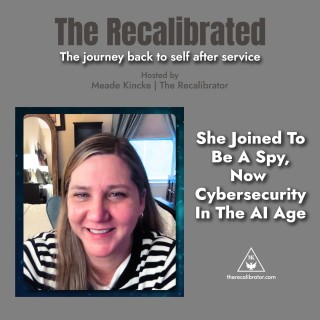
Welcome to The Recalibrated.
Download transcript (.srt)
1:00:06
1:00:08
1:00:10
1:00:12
1:00:14
1:00:15
1:00:17
1:00:19
1:00:20
1:00:22
1:00:24
1:00:26
1:00:28
1:00:30
1:00:32
1:00:33
1:00:37
1:00:39
1:00:40
1:00:43
1:00:46
1:00:49
1:00:51
1:00:53
1:00:57
1:00:59
1:01:00
1:01:01
1:01:04
1:01:05
1:01:07
1:01:09
1:01:11
1:01:14
1:01:17
1:01:21
1:01:23
1:01:26
1:01:30
1:01:33
1:01:35
1:01:36
1:01:38
1:01:39
1:01:40
1:01:42
1:01:44
1:01:45
1:01:46
1:01:48
1:01:50
1:01:52
1:01:53
1:01:56
1:01:58
1:02:03
1:02:04
1:02:07
1:02:09
1:02:10
1:02:12
1:02:14
1:02:15
1:02:17
1:02:18
1:02:19
1:02:21
1:02:22
1:02:24
1:02:24
1:02:27
1:02:29
1:02:30
1:02:31
1:02:33
1:02:36
1:02:38
1:02:40
1:02:43
1:02:45
1:02:47
1:02:50
1:02:53
1:02:56
1:02:58
1:03:00
1:03:01
1:03:02
1:03:05
1:03:07
1:03:09
1:03:10
1:03:11
1:03:12
1:03:14
1:03:15
1:03:17
1:03:19
1:03:22
1:03:23
1:03:24
1:03:25
1:03:26
1:03:28
1:03:29
1:03:30
1:03:31
1:03:33
1:03:33
1:03:34
1:03:37
1:03:39
1:03:41
1:03:43
1:03:45
1:03:49
1:03:51
1:03:52
1:03:53
1:03:56
1:03:57
1:03:58
1:04:01
1:04:02
1:04:04
1:04:05
1:04:06
1:04:07
1:04:08
1:04:09
1:04:10
1:04:13
1:04:14
1:04:16
1:04:18
1:04:20
1:04:21
1:04:23
1:04:25
1:04:28
1:04:29
1:04:31
1:04:34
1:04:35
1:04:36
1:04:37
1:04:42
1:04:44
1:04:46
1:04:48
1:04:51
1:04:53
1:04:55
1:04:57
1:05:00
1:05:02
1:05:04
1:05:05
1:05:07
1:05:09
1:05:12
1:05:13
1:05:14
1:05:16
1:05:18
1:05:21
1:05:24
1:05:25
1:05:26
1:05:27
1:05:29
1:05:32
1:05:34
1:05:34
1:05:35
1:05:36
1:05:39
1:05:41
1:05:43
1:05:45
1:05:47
1:05:49
1:05:51
1:05:53
1:05:54
1:05:55
1:05:57
1:05:58
1:06:00
1:06:01
1:06:03
1:06:06
1:06:07
1:06:09
1:06:10
1:06:11
1:06:13
1:06:14
1:06:17
1:06:18
1:06:19
1:06:21
1:06:23
1:06:24
1:06:27
1:06:28
1:06:29
1:06:30
1:06:31
1:06:32
1:06:33
1:06:35
1:06:37
1:06:39
1:06:41
1:06:43
1:06:45
1:06:48
1:06:50
1:06:52
1:06:53
1:06:54
1:06:56
1:06:59
1:07:00
1:07:01
1:07:03
1:07:05
1:07:07
1:07:08
1:07:11
1:07:13
1:07:16
1:07:17
1:07:19
1:07:21
1:07:23
1:07:24
1:07:25
1:07:28
1:07:29
1:07:31
1:07:32
1:07:34
1:07:37
1:07:39
1:07:40
1:07:43
1:07:44
1:07:45
1:07:46
1:07:48
1:07:48
1:07:49
1:07:50
1:07:52
1:07:54
1:07:54
1:07:57
1:07:58
1:08:01
1:08:04
1:08:05
1:08:06
1:08:08
1:08:11
1:08:15
1:08:15
1:08:17
1:08:18
1:08:20
1:08:21
1:08:24
1:08:25
1:08:27
1:08:31
1:08:32
1:08:36
1:08:38
1:08:41
1:08:41
1:08:43
1:08:43
1:08:44
1:08:47
1:08:48
1:08:49
1:08:50
1:08:52
1:08:54
1:08:55
1:08:57
1:08:59
1:09:00
1:09:00
1:09:02
1:09:04
1:09:05
1:09:07
1:09:09
1:09:12
1:09:14
1:09:16
1:09:18
1:09:20
1:09:22
1:09:23
1:09:24
1:09:27
1:09:30
1:09:31
1:09:33
1:09:33
1:09:35
1:09:36
1:09:36
1:09:37
1:09:39
1:09:40
1:09:42
1:09:44
1:09:44
1:09:46
1:09:47
1:09:49
1:09:51
1:09:54
1:09:55
1:09:56
1:09:57
1:10:00
1:10:02
1:10:03
1:10:05
1:10:06
1:10:07
1:10:09
1:10:12
1:10:13
1:10:14
1:10:14
1:10:17
1:10:18
1:10:19
1:10:20
1:10:21
1:10:22
1:10:24
1:10:25
1:10:26
1:10:27
1:10:28
1:10:29
1:10:30
1:10:33
1:10:35
1:10:36
1:10:38
1:10:39
1:10:42
1:10:43
1:10:44
1:10:45
1:10:46
1:10:49
1:10:50
1:10:53
1:10:54
1:10:56
1:10:58
1:11:01
1:11:03
1:11:04
1:11:05
1:11:06
1:11:07
1:11:08
1:11:08
1:11:10
1:11:10
1:11:11
1:11:13
1:11:16
1:11:17
1:11:18
1:11:20
1:11:21
1:11:22
1:11:24
1:11:26
1:11:27
1:11:28
1:11:29
1:11:32
1:11:33
1:11:35
1:11:36
1:11:36
1:11:40
1:11:41
1:11:43
1:11:45
1:11:47
1:11:49
1:11:52
1:11:54
1:11:56
1:11:57
1:11:59
1:12:02
1:12:04
1:12:08
1:12:11
1:12:13
1:12:17
1:12:19
1:12:22
1:12:25
1:12:26
1:12:27
1:12:32
1:12:33
1:12:35
1:12:36
1:12:38
1:12:40
1:12:44
1:12:47
1:12:48
1:12:51
1:12:53
1:12:57
1:12:58
1:13:01
1:13:02
1:13:03
1:13:04
1:13:05
1:13:07
1:13:09
1:13:11
1:13:13
1:13:15
1:13:17
1:13:18
1:13:21
1:13:24
1:13:25
1:13:26
1:13:27
1:13:30
1:13:31
1:13:34
1:13:35
1:13:40
1:13:41
1:13:43
1:13:46
1:13:49
1:13:50
1:13:51
1:13:52
1:13:53
1:13:55
1:13:57
1:14:01
1:14:04
1:14:06
1:14:08
1:14:13
1:14:18
1:14:19
1:14:21
1:14:23
1:14:26
1:14:27
1:14:27
1:14:31
1:14:36
1:14:38
1:14:42
1:14:45
1:14:47
1:14:49
1:14:51
1:14:52
1:14:55
1:14:56
1:14:58
1:15:02
1:15:05
1:15:07
1:15:08
1:15:09
1:15:12
1:15:14
1:15:15
1:15:17
1:15:21
1:15:26
1:15:27
1:15:28
1:15:31
1:15:33
1:15:35
1:15:36
1:15:41
1:15:42
1:15:43
1:15:46
1:15:47
1:15:49
1:15:53
1:15:55
1:15:56
1:16:00
1:16:00
1:16:02
1:16:04
1:16:05
1:16:07
1:16:07
1:16:09
1:16:11
1:16:14
1:16:16
1:16:17
1:16:18
1:16:19
1:16:21
1:16:22
1:16:25
1:16:27
1:16:29
1:16:31
1:16:32
1:16:33
1:16:35
1:16:37
1:16:38
1:16:41
1:16:42
1:16:43
1:16:46
1:16:48
1:16:49
1:16:52
1:16:54
1:16:56
1:16:57
1:16:59
1:17:02
1:17:04
1:17:08
1:17:12
1:17:14
1:17:17
1:17:19
1:17:21
1:17:22
1:17:23
1:17:25
1:17:28
1:17:31
1:17:34
1:17:35
1:17:36
1:17:39
1:17:43
1:17:44
1:17:45
1:17:47
1:17:49
1:17:51
1:17:53
1:17:53
1:17:56
1:18:01
1:18:03
1:18:04
1:18:05
1:18:07
1:18:10
1:18:12
1:18:13
1:18:15
1:18:17
1:18:18
1:18:19
1:18:21
1:18:22
1:18:24
1:18:27
1:18:29
1:18:31
1:18:32
1:18:33
1:18:35
1:18:36
1:18:40
1:18:41
1:18:43
1:18:44
1:18:46
1:18:47
1:18:48
1:18:51
1:18:54
1:18:56
1:18:58
1:18:59
1:19:01
1:19:02
1:19:03
1:19:04
1:19:05
1:19:06
1:19:08
1:19:09
1:19:10
1:19:12
1:19:14
1:19:16
1:19:16
1:19:19
1:19:21
1:19:23
1:19:24
1:19:25
1:19:27
1:19:29
1:19:32
1:19:34
1:19:37
1:19:41
1:19:43
1:19:44
1:19:47
1:19:50
1:19:50
1:19:52
1:19:53
1:19:56
1:19:58
1:20:00
1:20:03
1:20:04
1:20:06
1:20:07
1:20:09
1:20:10
1:20:14
1:20:17
1:20:20
1:20:23
1:20:24
1:20:26
1:20:30
1:20:31
1:20:32
1:20:33
1:20:34
1:20:35
1:20:38
1:20:39
1:20:39
1:20:42
1:20:44
1:20:48
1:20:48
1:20:50
1:20:52
1:20:53
1:20:54
1:20:56
1:20:57
1:21:00
1:21:01
1:21:03
1:21:04
1:21:04
1:21:06
1:21:08
1:21:09
1:21:10
1:21:12
1:21:13
1:21:14
1:21:14
1:21:18
1:21:19
1:21:21
1:21:23
1:21:23
1:21:24
1:21:26
1:21:28
1:21:29
1:21:30
1:21:32
1:21:34
1:21:36
1:21:38
1:21:39
1:21:40
1:21:40
1:21:41
1:21:42
1:21:45
1:21:46
1:21:48
1:21:50
1:21:52
1:21:54
1:21:55
1:21:57
1:21:58
1:21:58
1:22:00
1:22:01
1:22:03
1:22:05
1:22:06
1:22:08
1:22:09
1:22:10
1:22:13
1:22:17
1:22:19
1:22:22
1:22:23
1:22:25
1:22:27
1:22:29
1:22:31
1:22:33
1:22:34
1:22:34
1:22:35
1:22:35
1:22:37
1:22:38
1:22:39
1:22:41
1:22:43
1:22:46
1:22:47
1:22:49
1:22:50
1:22:51
1:22:53
1:22:55
1:22:56
1:22:57
1:22:58
1:23:00
1:23:02
1:23:03
1:23:06
1:23:08
1:23:09
1:23:11
1:23:13
1:23:15
1:23:18
1:23:20
1:23:21
1:23:23
1:23:24
1:23:26
1:23:28
1:23:30
1:23:33
1:23:36
1:23:39
1:23:40
1:23:42
1:23:43
1:23:44
1:23:47
1:23:49
1:23:52
1:23:52
1:23:54
1:23:55
1:23:57
1:23:59
1:23:59
1:24:00
1:24:02
1:24:03
1:24:05
1:24:06
1:24:08
1:24:10
1:24:12
1:24:16
1:24:20
1:24:22
1:24:24
1:24:26
1:24:28
1:24:30
1:24:33
1:24:35
1:24:37
1:24:39
1:24:40
1:24:42
1:24:43
1:24:45
1:24:48
1:24:52
1:24:53
1:24:56
1:24:58
1:25:00
1:25:02
1:25:03
1:25:04
1:25:06
1:25:09
1:25:12
1:25:14
1:25:16
1:25:18
1:25:21
1:25:22
1:25:24
1:25:26
1:25:27
1:25:28
1:25:30
1:25:30
1:25:32
1:25:35
1:25:37
1:25:39
1:25:42
1:25:44
1:25:47
1:25:50
1:25:52
1:25:54
1:25:57
1:26:00
1:26:02
1:26:03
1:26:05
1:26:08
1:26:09
1:26:10
1:26:12
1:26:14
1:26:15
1:26:19
1:26:19
1:26:20
1:26:21
1:26:23
1:26:23
1:26:25
1:26:26
1:26:28
1:26:31
1:26:33
1:26:35
1:26:36
1:26:38
1:26:40
1:26:42
1:26:43
1:26:44
1:26:49
1:26:50
1:26:53
1:26:55
1:26:56
1:26:59
1:27:00
1:27:01
1:27:03
1:27:04
1:27:05
1:27:07
1:27:10
1:27:11
1:27:12
1:27:13
1:27:15
1:27:16
1:27:18
1:27:19
1:27:22
1:27:24
1:27:25
1:27:27
1:27:28
1:27:30
1:27:33
1:27:34
1:27:38
1:27:39
1:27:40
1:27:41
1:27:44
1:27:45
1:27:47
1:27:48
1:27:50
1:27:52
1:27:53
1:27:55
1:27:56
1:27:58
1:28:00
1:28:01
1:28:03
1:28:03
1:28:05
1:28:05
1:28:07
1:28:10
1:28:11
1:28:15
1:28:16
1:28:18
1:28:21
1:28:24
1:28:26
1:28:30
1:28:32
1:28:33
1:28:36
1:28:36
1:28:38
1:28:39
1:28:40
1:28:41
1:28:42
1:28:43
1:28:44
1:28:45
1:28:47
1:28:49
1:28:51
1:28:52
1:28:55
1:28:58
1:29:00
1:29:01
1:29:03
1:29:04
1:29:05
1:29:06
1:29:10
1:29:11
1:29:15
1:29:16
1:29:19
1:29:20
1:29:21
1:29:23
1:29:26
1:29:27
1:29:29
1:29:30
1:29:31
1:29:32
1:29:34
1:29:36
1:29:37
1:29:41
1:29:42
1:29:44
1:29:47
1:29:49
1:29:50
1:29:52
1:29:54
1:29:55
1:29:57
1:30:01
1:30:03
1:30:05
1:30:08
1:30:09
1:30:12
1:30:13
1:30:14
1:30:17
1:30:18
1:30:20
1:30:22
1:30:25
1:30:28
1:30:29
1:30:30
1:30:32
1:30:34
1:30:38
1:30:40
1:30:42
1:30:43
1:30:45
1:30:45
1:30:48
1:30:52
1:30:53
1:30:55
1:30:56
1:30:58
1:31:00
1:31:00
1:31:02
1:31:03
1:31:03
1:31:05
1:31:07
1:31:08
1:31:10
1:31:13
1:31:15
1:31:16
1:31:17
1:31:20
1:31:22
1:31:23
1:31:26
1:31:27
1:31:28
1:31:30
1:31:32
1:31:35
1:31:37
1:31:39
1:31:40
1:31:42
1:31:43
1:31:46
1:31:48
1:31:50
1:31:51
1:31:52
1:31:53
1:31:55
1:31:56
1:31:58
1:32:02
1:32:04
1:32:05
1:32:06
1:32:08
1:32:11
1:32:12
1:32:13
1:32:14
1:32:16
1:32:17
1:32:18
1:32:20
1:32:21
1:32:23
1:32:24
1:32:26
1:32:28
1:32:29
1:32:30
1:32:31
1:32:32
1:32:34
1:32:36
1:32:38
1:32:41
1:32:42
1:32:43
1:32:46
1:32:49
1:32:50
1:32:51
1:32:52
1:32:56
1:33:00
1:33:01
1:33:04
1:33:07
1:33:09
1:33:11
1:33:14
1:33:14
1:33:16
1:33:17
1:33:19
1:33:23
1:33:25
1:33:26
1:33:29
1:33:30
1:33:33
1:33:34
1:33:35
1:33:37
1:33:37
1:33:39
1:33:40
1:33:42
1:33:43
1:33:44
1:33:45
1:33:48
1:33:48
1:33:50
1:33:51
1:33:52
1:33:54
1:33:56
1:33:57
1:34:01
1:34:03
1:34:05
1:34:06
1:34:07
1:34:08
1:34:09
1:34:11
1:34:11
1:34:13
1:34:16
1:34:18
1:34:19
1:34:19
1:34:21
1:34:22
1:34:23
1:34:25
1:34:27
1:34:28
1:34:30
1:34:31
1:34:33
1:34:35
1:34:37
1:34:40
1:34:44
1:34:47
1:34:50
1:34:53
1:34:54
1:34:56
1:34:59
1:35:00
1:35:02
1:35:03
1:35:05
1:35:08
1:35:10
1:35:14
1:35:15
1:35:17
1:35:19
1:35:20
1:35:22
1:35:23
1:35:26
1:35:28
1:35:30
1:35:32
1:35:33
1:35:35
1:35:36
1:35:39
1:35:41
1:35:44
1:35:46
1:35:48
1:35:49
1:35:50
1:35:52
1:35:53
1:35:55
1:35:58
1:36:00
1:36:01
1:36:04
1:36:06
1:36:07
1:36:11
1:36:12
1:36:13
1:36:14
1:36:15
1:36:17
1:36:19
1:36:21
1:36:23
1:36:25
1:36:28
1:36:33
1:36:37
1:36:39
1:36:42
1:36:43
1:36:44
1:36:45
1:36:48
1:36:50
1:36:52
1:36:55
1:36:57
1:36:59
1:37:02
1:37:04
1:37:06
1:37:09
1:37:10
1:37:12
1:37:14
1:37:15
1:37:20
1:37:21
1:37:23
1:37:25
1:37:26
1:37:28
1:37:33
1:37:34
1:37:36
1:37:38
1:37:39
1:37:40
1:37:41
1:37:43
1:37:46
1:37:47
1:37:49
1:37:51
1:37:53
1:37:55
1:37:56
1:37:57
1:37:59
1:38:01
1:38:03
1:38:05
1:38:07
1:38:09
1:38:10
1:38:12
1:38:12
1:38:14
1:38:15
1:38:16
1:38:20
1:38:22
1:38:24
1:38:25
1:38:27
1:38:29
1:38:32
1:38:33
1:38:36
1:38:39
1:38:40
1:38:41
1:38:43
1:38:46
1:38:46
1:38:48
1:38:50
1:38:51
1:38:53
1:38:54
1:38:54
1:38:55
1:38:56
1:38:57
1:39:00
1:39:01
1:39:02
1:39:03
1:39:05
1:39:06
1:39:09
1:39:10
1:39:12
1:39:15
1:39:16
1:39:18
1:39:22
1:39:24
1:39:26
1:39:29
1:39:32
1:39:33
1:39:34
1:39:37
1:39:40
1:39:41
1:39:43
1:39:46
1:39:47
1:39:49
1:39:50
1:39:52
1:39:55
1:39:56
1:39:57
1:39:58
1:40:01
1:40:02
1:40:04
1:40:05
1:40:06
1:40:07
1:40:08
1:40:11
1:40:13
1:40:14
1:40:15
1:40:16
1:40:18
1:40:20
1:40:21
1:40:23
1:40:25
1:40:26
1:40:27
1:40:29
1:40:30
1:40:32
1:40:34
1:40:35
1:40:37
1:40:38
1:40:41
1:40:43
1:40:45
1:40:47
1:40:50
1:40:51
1:40:54
1:40:55
1:40:57
1:40:59
1:41:01
1:41:03
1:41:04
1:41:06
1:41:07
1:41:08
1:41:11
1:41:13
1:41:13
1:41:14
1:41:15
1:41:17
1:41:17
1:41:20
1:41:21
1:41:23
1:41:24
1:41:26
1:41:27
1:41:28
1:41:30
1:41:31
1:41:34
1:41:38
1:41:40
1:41:42
1:41:43
1:41:46
1:41:48
1:41:50
1:41:54
1:41:56
1:41:59
1:41:59
1:42:01
1:42:02
1:42:02
1:42:04
1:42:05
1:42:07
1:42:07
1:42:09
1:42:11
1:42:12
1:42:16
1:42:18
1:42:19
1:42:20
1:42:24
1:42:27
1:42:31
1:42:34
1:42:36
1:42:38
1:42:40
1:42:42
1:42:46
1:42:48
1:42:49
1:42:50
1:42:54
1:42:55
1:42:56
1:42:58
1:43:00
1:43:03
1:43:04
1:43:05
1:43:07
1:43:08
1:43:10
1:43:11
1:43:12
1:43:13
1:43:16
1:43:17
1:43:20
1:43:22
1:43:25
1:43:26
1:43:29
1:43:31
1:43:35
1:43:37
1:43:40
1:43:41
1:43:45
1:43:46
1:43:47
1:43:49
1:43:51
1:43:54
1:43:56
1:43:58
1:43:59
1:44:01
1:44:03
1:44:04
1:44:06
1:44:08
1:44:10
1:44:11
1:44:13
1:44:14
1:44:14
1:44:17
1:44:18
1:44:20
1:44:22
1:44:26
1:44:28
1:44:31
1:44:32
1:44:33
1:44:34
1:44:37
1:44:39
1:44:40
1:44:40
1:44:42
1:44:43
1:44:45
1:44:48
1:44:49
1:44:51
1:44:53
1:44:56
1:45:00
1:45:02
1:45:05
1:45:06
1:45:09
1:45:12
1:45:13
1:45:14
1:45:16
1:45:19
1:45:22
1:45:23
1:45:23
1:45:25
1:45:27
1:45:31
1:45:33
1:45:37
1:45:39
1:45:44
1:45:47
1:45:50
1:45:53
1:45:55
1:45:58
1:46:01
1:46:04
1:46:06
1:46:07
1:46:08
1:46:09
1:46:11
1:46:13
1:46:13
1:46:15
1:46:18
1:46:19
1:46:20
1:46:22
1:46:24
1:46:28
1:46:29
1:46:30
1:46:34
1:46:36
1:46:38
1:46:41
1:46:43
1:46:46
1:46:47
1:46:50
1:46:51
1:46:54
1:46:55
1:46:59
1:47:01
1:47:04
1:47:06
1:47:07
1:47:08
1:47:09
1:47:10
1:47:15
1:47:16
1:47:17
1:47:22
1:47:24
1:47:28
1:47:29
1:47:30
1:47:32
1:47:34
1:47:37
1:47:38
1:47:40
1:47:42
1:47:45
1:47:47
1:47:49
1:47:51
1:47:52
1:47:53
1:47:54
1:47:55
1:47:56
1:47:58
1:48:00
1:48:02
1:48:04
1:48:09
1:48:10
1:48:13
1:48:14
1:48:15
1:48:16
1:48:18
1:48:20
1:48:21
1:48:24
1:48:26
1:48:30
1:48:32
1:48:34
1:48:35
1:48:37
1:48:39
1:48:42
1:48:44
1:48:47
1:48:53
1:48:56
1:48:58
1:48:59
1:49:01
1:49:04
1:49:05
1:49:06
1:49:08
1:49:10
1:49:12
1:49:14
1:49:15
1:49:17
1:49:19
1:49:22
1:49:24
1:49:27
1:49:28
1:49:30
1:49:33
1:49:37
1:49:38
1:49:40
1:49:44
1:49:47
1:49:48
1:49:50
1:49:51
1:49:52
1:49:54
1:49:56
1:49:57
1:50:01
1:50:02
1:50:04
1:50:08
1:50:11
1:50:13
1:50:14
1:50:17
1:50:19
1:50:23
1:50:26
1:50:27
1:50:30
1:50:32
1:50:34
1:50:35
1:50:36
1:50:39
1:50:41
1:50:43
1:50:45
1:50:48
1:50:55
1:50:56
1:50:59
1:51:01
1:51:01
1:51:04
1:51:07
1:51:08
1:51:09
1:51:10
1:51:13
1:51:14
1:51:15
1:51:17
1:51:18
1:51:20
1:51:22
1:51:25
1:51:29
1:51:34
1:51:35
1:51:36
1:51:39
1:51:41
1:51:43
1:51:45
1:51:48
1:51:50
1:51:51
1:51:52
1:51:54
1:51:55
1:51:58
1:52:01
1:52:03
1:52:04
1:52:06
1:52:07
1:52:09
1:52:11
1:52:12
1:52:14
1:52:18
1:52:19
1:52:20
1:52:21
1:52:22
1:52:24
1:52:25
1:52:26
1:52:28
1:52:30
1:52:31
1:52:33
1:52:34
1:52:35
1:52:37
1:52:39
1:52:41
1:52:43
1:52:45
1:52:48
1:52:50
1:52:53
1:52:54
1:52:56
1:52:57
1:52:58
1:53:00
1:53:01
1:53:02
1:53:04
1:53:05
1:53:07
1:53:09
1:53:11
1:53:12
1:53:13
1:53:17
1:53:19
1:53:22
1:53:23
1:53:24
1:53:27
1:53:27
1:53:28
1:53:29
1:53:31
1:53:32
1:53:33
1:53:36
1:53:37
1:53:38
1:53:40
1:53:41
1:53:46
1:53:46
1:53:47
1:53:48
1:53:48
1:53:50
1:53:51
1:53:52
1:53:53
1:53:54
1:53:55
1:53:56
1:53:58
1:53:59
1:54:00
1:54:02
1:54:03
1:54:05
1:54:07
1:54:10
1:54:10
1:54:12
1:54:13
1:54:16
1:54:17
1:54:18
1:54:20
1:54:23
1:54:24
1:54:26
1:54:28
1:54:29
1:54:30
1:54:30
1:54:34
1:54:35
1:54:36
1:54:36
1:54:39
1:54:40
1:54:42
1:54:44
1:54:46
1:54:48
I'm your host, Meade Kincke,
and I'm here to take us through
the journey of being in the service,
transitioning out,
and what today looks like.
Our guest, Lorri Janssen-Anessi
served over 11 years in the
United States Air Force as a
technical language analyst supporting
high priority missions.
Afterwards, Lorri joined the
National Security Agency
where she defended critical systems
against emerging cyber threats
for over a decade. Today, Lorri is
director of External Cyber
Assessments at BlueVoyant,
where she helps organisations understand
and mitigate real-world cyber risk.
Lorri, welcome to the show.
Thank you. I'm so happy to be here.
I'm glad to have you here.
So let's begin with the why.
Why? What drew you to the Air Force?
Where did that come from?
This is such a funny story.
So I grew up in the Bay Area,
and if you are
familiar with the Bay Area,
people do not join the military,
they join technology companies.
Literally, I'm from Silicon Valley.
So I was my third year at college,
studying pre-med, and my
grandfather had passed away,
and he had served in the military.
But we were not a military family.
My mom, my dad, they were hippies.
So definitely no legacy as
far as this is concerned.
No, not legacy.
So my grandfather had passed away,
and I'm not kidding
you, whatever you think.
Sometimes I think, I
don't sometimes think,
things happen for a reason.
So as I'm doing the
grind, driving in the Bay Area
to work in my part-time job,
I just kept hearing
recruiting commercials,
which I had never ever heard.
So this is about 1995, and my grandmother
just passed away, I was
very close to my grandfather.
And for some reason, I
decided one afternoon
I was gonna go to the recruiting office.
There happened to be an Air Force One.
So the story is not so
amazing, but I went in,
and I'm like, "Hi, I
wanna know everything
to know about the Air Force."
And one thing I will
say is it's very expensive
to live in the Bay Area,
it's been expensive forever.
And so I was like, well,
definitely in these commercials,
they had talked about
loan repayment for school,
they talked about educational programs.
So I was like, "Sign me up. I'm pre-med.
I wanna be a doctor. I wanna be a medic.
I'm coming into the Air Force."
So my recruiter was like,
"Great, I'm so excited."
He's like, "I need your transcripts."
So I sent my transcripts, I spoke French.
So I had taken French since I was 10.
So my family's from Lithuania originally,
so I had spoken Lithuanian when I was little,
I had English, and then
I spoke French fluently,
I was still taking it in college.
And my recruiters eyes went,
"Dollar sign, dollar sign, dollar sign."
Again, I didn't know
any of this at the time.
They looked at you and said,
"Intel," like straight away.
I'm there... first time, he's like,
"Would you like to take this
little test called the DLab?"
I'm like, "Okay, sure, but
I really wanna be a medic,
so that's where we're going, right?
We're gonna be a medic,
we're gonna be a medic."
And he's like, "Yep, but first
I want you to take the DLab."
Ushering you closer to the
slaughterhouse of like,
"Yeah, no, but over here,
there's something
else I want you to see."
Yes, yes, so I took
the DLab, no surprise,
I scored really high on it.
And so, again, dollar sign,
dollar sign, dollar sign.
So Lorri, would you like to be a linguist?
No, no, I would not
I would not like to be a linguist,
I would like to be a medic, thank you.
And he said, "But you could be a spy,
you could travel the world."
I'm like, "No, no."
But, I have a twin sister,
and she was at UC Santa Cruz.
And if you know where Monterey's,
or if you know where the
military language school is,
it's in Monterey.
If you're familiar with
geography in California,
30 minutes from each other.
So, he sold me with that,
and I was gonna be a
spy and travel the world.
So, that is literally how
I came into the Air Force.
So I signed the
paperwork, I went home to my mom,
she said, "You did what?"
I said, "I'm going into the military."
And she said, "No, you're not."
And I said, "Too late, mom. I'm going."
So I went into the DEP program,
the delayed entry program,
and I was scheduled to
leave at Christmas time.
So that is my story, yes.
So safe to say you are an individual
that likes an impulse purchase,
close to the register where you go like,
"Ooh, I do need extra
tires for a truck I don't own."
Yes, I would be those,
that marketing
person's wet dream for that.
I don't, I know this about
myself and I still do it,
and it's true, it's
true today, 30 years later.
Oh, that's so funny.
Well, we kind of, let's say,
blew through a little
bit of humble beginnings.
We can touch on that at the moment.
It also kind of blew through,
well, where did the, I had a question of,
well, did you want to be a linguist?
Did you want to be a
cryptographic linguist?
Oh, you ushered there,
we kind of covered that.
But let's circle back a little bit.
Yeah, yeah.
No, I was gonna say,
it's also interesting
because if you noticed,
I was an Arabic linguist.
So I'm from the Bay Area.
So when you-- And you're Caucasian,
so not exactly an Arab.
Yes, so when you go,
if you're not familiar with the US side,
when you're go to be a linguist,
you're already put in,
couple weeks into basic training,
they send you in to
put this stuff on a card
and you say, "What
languages would you like?"
So, what would you guess?
I would take, I was like,
"I want Japanese, Chinese, or Korean."
I'm from the Bay Area, right?
All my friends growing up.
Yeah, so I'm like, "Of
course, an Asian language, what?"
So I get to, I get, I
leave basic training,
I get to Monterey, and
they tell me I'm Arabic.
And I'm like--
Like that's not on the list.
I was like, this was my
ignorance at the time.
I'm like, where did they speak,
where did they speak that?
Like, what is this?
What do you want me to do?
I'll give you a hint.
It's some place dry and hot
and usually covered in sand.
Yes, well, now I know, now I'm very
intimately familiar.
I would fancy myself
an expert on that region
and that language.
Yeah, so that was another funny thing.
I did not pick Arabic, but I will say,
and maybe you have questions about this,
but it's like, truthfully,
it was like the best thing
that ever happened to me.
I had the most amazing career,
so I'm not, I'm not mad about it,
but it was really a
weird series of events
to get there in the beginning.
A bit of whiplash to start off with.
100%.
100%.
As far as, again, kind of circling back,
humble beginnings, you could say,
oh, I started off as this and
ended as an officer and so on.
So what, your trajectory
seems a little bit different.
How did that landscape look?
It was different, so
that was the other thing.
I had nobody to guide me along
and now, any time I hear
anybody talking about the military,
I'm like, come talk to me first,
especially if they're gonna do Intel.
So I could have come in as an officer.
I had three years of college.
That's all you need.
You need to have such so many credits,
but it was funny--
You it's second
lieutenant straight away.
Yeah, yeah, so I didn't do that.
They didn't tell me that.
They obviously lured
me in with the bonuses,
but I'm such an academic.
I really, truly, I know everybody says
they're a lifelong
learner, but I am very academic.
And so it was really important to me
that I was going to
get education in this.
Air Force didn't end up
paying back any of my loans.
That's another story altogether.
But, what they did offer
is when you go to Monterey,
when you go to the
Defense Language Institute,
you could actually
attend, I could attend,
I could continue to attend
Monterey Peninsula College.
And I actually ended
up finishing my degree
while I was studying Arabic.
That was another enticement
because it is so very bizarre.
But anyway, yes, so whatever--
No, that's all fascinating and wonderful.
It's really weird.
I just thought it was really weird.
Yeah, well, again, the
whole thing about it is,
you know, and I definitely know of the
whole thing of like,
great, we want you, get
you into language school.
Yes.
Yeah, yeah, we can talk Kanji,
and you like Japanese and this.
How about Arabic?
And you go, ah.
Yeah.
That doesn't sound like
noodles, that sounds like sand.
And you go, it kind of is.
Here's your book.
It kinda is.
It was crazy.
Yeah, and if you have a linguist honour,
if you have linguist friends, it is
really, really intense. They,
You're going to language school
40 hours a week.
My school is 63 weeks.
And right out of the
gate, it's the military.
So, you know, I liked, I was a nerd,
so I was all about the studying, but
like, it was intense.
It was like 40 hours with teachers,
we had a team of
teachers, and then at night,
you're in the military,
you don't get a choice.
There's no fun at night.
Like, they give you,
this is to date me,
They give you a tape
recorder machine and tapes.
We had to do our
studying with language tapes
and these books, and
it's like, that was it.
You are now getting, boop boop boop,
programmed to do a language.
And it was so hard, because you're
sitting in Monterey,
and if you've been to
Monterey, or even if you've looked
at Monterey, it is gorgeous.
It's gorgeous.
So, we're looking out
over the Monterey Bay,
sitting in these
classrooms in our uniforms,
a million hours a day, really like,
really, intimately
We could be surfing getting to know all of our--
I could be getting
vitamin D, like, and you go, Yeah, yeah
very much a prison cell of,
like, you don't get to go outside.
It is, and it's like,
learn this language,
learn this language,
and they're so strict.
It's the military, so--
It's regimented, let's
just call it what it is.
You have to test, and
you have to be progressing,
and if you don't
progress, that's it, you know?
So, it was the best of
times and the worst of times.
I made them, which you
were in the military,
but I made friendships.
Oh no, I wasn't in
the military, actually.
Oh, you weren't, oh,
you were a pilot, though.
I am a pilot, but as far as--
Not with the military.
No, I play in both ends of the world,
so it's one of those
long history in technology,
lots of history in security,
so I see both ends of the spectrum.
Got it, okay, that was my bad.
Oh, you're fine.
It's a point of military,
but you work with veterans,
so you know.
I do.
The friendships and
relationships that you make,
and probably the
friendships and relationships
you make with veterans along the way, Definitely.
it's like a different bond that you make.
It's a brotherhood, you know,
it's one of those things
where obviously sex aside,
it's one of those
things where it's a bond.
You know, you talk about,
well, where have you been with?
It's kind of, you know,
like when you look at people
that go through university and otherwise,
if you get in a program
with someone or otherwise
and you chat to students,
they have the same kind of thing
of like, oh, we're
bonded, this is forged in fire.
Right, right.
Well, and this is the funny thing,
so we were broken, it
was 30 students per class,
and you're in three classrooms.
We were all women except for one guy.
It was very weird too.
It was very, very strange.
That's atypical.
So atypical.
We started with three men, so our
classroom was eight people,
and we attritted two people,
and so the one that was standing left,
or the one that was left standing
had to do 63 weeks with five women.
It was so crazy, and if you know,
I mean, this is not a surprise.
The Arab culture is very--
Opposite.
Very opposite, and so
everything about my initial
coming into the military
was so weird and unique.
Yeah, so I-- That's odd.
It was all, and I am still
friends with those women today.
We want to get together and do things
because, like you were mentioning,
that brotherhood,
sisterhood, it was so intense,
and we are just so close still.
Yeah, so I speak to all of them, so.
So just once a year, get together,
make Turkish coffee, and just--
We usually do a girl's trip somewhere,
so we'll go to
Nashville, or we're a little--
Gotcha.
We'll let Lucy, but I don't know.
I'm not talking about that, me.
Let's leave that for another podcast.
I want Turkish coffee, but you know,
you get to go how you like.
Yeah, yeah, yeah, good Turkish coffee.
That's what we do.
Yeah, no liquid
courage or anything involved.
Yeah, none of that,
never in an area drive.
Very lady-like, very lady-like.
Very lady, very.
(both laughing)
So anyway.
Oh, goodness.
So let's ask, during your service,
what's one of those
things where you are so,
so wonderfully glad that smartphones
were not present to record?
Gosh, in the military--
I just watched it happen.
I just watched the
inside of your mind go,
"Oh, gosh." Oh my God, so many times.
So, okay.
So in the military, especially back then,
it was work hard, play hard,
and out of the gate, like I said,
we were very, our
strings were tight at DLI.
Unlike any other technical school,
everybody who's a linguist
is the very, very least amount
of time your technical school would be,
I think it's six months, but
I might even be wrong on that.
It might be like eight
months, and that would be Spanish.
So when you finally didn't
have to be so regimented,
and that's months into this course,
people played very hard.
Monterey is fun, the
weather's beautiful, it's California.
I was not far from my friends,
who were all in
universities throughout the Bay Area.
So I'm glad there was
no cell phones around.
And I do, I'll have to full disclosure,
I was one of those DLI marriages,
so I met my husband there.
Oh wow.
Well, we're divorced now,
so that shows you the success of it.
Maybe we can blame the pressure.
It was just too much pressure.
Too much pressure, yes.
And we were older,
because I was 21, he was 23.
That was old, right,
for a technical school.
We were so worldly and knowledgeable,
and we were right for each other.
So that's all good and fine.
But for all those
reasons, there was a lot of,
not a lot of downtime,
but when there was downtime,
we definitely worked hard, played hard.
So glad there are no cell phones
that could go back to my
commander, or you know.
Anything you were at liberty to say.
(laughing)
One standout story, something fun.
And we were not, oh
gosh, okay, do not do this
if anybody's listening in the military.
(laughing)
Listen, kids, listen, kids.
Listen, kids, and
remember digital cameras
and things like that were not prolific.
So we were in dorms,
even after we got married,
we didn't get to move
off base for a while.
And so we would sneak
into the different barracks.
I was in the Air
Force, he was in the Army.
We would go into each other's rooms.
You were not allowed to do that.
And you would be so,
that would be career ending.
In tech school, that
would be career ending.
Did you get caught though?
No, we did not.
See, listen, this is the thing.
It's easier to ask
forgiveness than permission.
You go like, didn't get caught though.
Definitely, definitely.
And it's been so long, so
what's the rule of time?
Oh, statute of limitations.
I think we've hit it.
I'm not even, yeah, so.
We didn't get any awards there.
So there's nothing to take away.
Yeah.
So nearing the end of your service,
what drove your decision to retire?
This is another interesting story.
Okay, so with enlisted, you
enlist and then you unlist
and then you enlist.
Unlike officers,
which you have like a
basically an open-ended contract
and then you resign or you just retire.
So I enlisted, I came in with four years.
I was gonna do four years and get out.
They convinced me to sign
up for six with a bonus.
So I had six years and then six months
before your 12 years, they come back
and they ask you if you
wanna re-enlist again.
I was going to re-enlist.
However, this is at the
time where we had been in Iraq.
So this was 2006.
Sure.
We had rotated through so
many of our active reserves
and the Department of
Defense came together
with the Department of the
Air Force, Army, Navy, Marines
and said, okay, we can't
rotate anybody else out.
Who can we get?
And they said, go to Intel.
Those people can learn like this.
They're all so smart.
They can do it.
They said, okay, well, let's
go to the Arabic linguists.
So at this time, I was actually
at the National Security Agency.
I was one of five Sudanese linguists
in the entire intelligence community
working a really important mission.
If you remember Darfur
was high with the genocide
at the time.
Terrorists were, it was through Sudan.
I was working for a mission.
My commander called me in,
maybe stand outside his
office for like 45 minutes
at attention waiting
for him to let me in.
And he told me, this is six
months before my reenlistment.
And he said, you're going to Iraq.
And I said, great.
I'd love to go to Iraq.
I'm super happy to go to Iraq.
What am I gonna do?
I'm gonna be a linguist, right?
I'm gonna like a translator.
Like, what are you gonna have me do?
And he said, no.
I'm doing code breaking, of course.
That's what I'm here for.
He said, no, you are
going to be logistics.
And I said,
Never done this in my career.
What is that?
And he said, you know, laying tarmac.
I'm like, no, no, no.
I'm a three-three Arabic linguists.
I'm gonna be doing,
surely you need
translators in Iraq, right?
I know gulf, right?
No, that's not what you're gonna do.
I said, what?
So I went home.
I had three days to make the decision about this.
And I was like,
this was supposed to
be a year deployment,
maybe 18 months with some training.
Okay.
So I had to make a decision then.
And if I didn't take this assignment,
I had to, I would not be able to realist.
It was an honourable discharge,
but I had to make a decision.
And I decided, obviously, I decided,
I'm not gonna do that.
Like I'm knee deep in,
and at that time I was meeting
with the State Department regularly.
I was meeting with
intelligence communities.
We were really trying to work,
foreign relations in that region.
And I was one of the few Arabic linguists
that knew that dialect.
And I'm like, this doesn't feel right.
So I was like, no, I'm not gonna do it.
And so then that was the
choice, but listen to this.
This is the best part.
I do so.
The best part of the story.
So I stayed, I'm not re-enlisting.
And that's all fine, right?
I did my time.
Like there's nothing, I was
obligatory to my contract.
Like I did nothing wrong.
When you work at NSA, you
have two chains of command.
You have your Air Force chain of command.
So I was part of that squadron.
And then you have your
NSA chain of command,
which is still military,
but it's inside the building.
You have to sign out like
all the good military stuff.
Everything is a checklist.
You have to checklist,
checklist, checklist.
So I'm checking out of my last office
with my senior enlisted
person in the building.
And he goes, why are you getting out?
Much like your question.
And I said, well, this
is why I'm getting out.
And he said, are you kidding me?
And I said, no.
And he said, we need a
thousand Arabic linguists.
He's like, we're
losing you because someone
wanted you to mop up.
Right, but he said, how
did this not come to me?
They needed Arabic
linguists to deploy to Iraq.
And I was not opposed to like,
and he tried to stop my
getting out of the military.
It was too late.
It was already too late.
Orders were cut.
It was too late.
So I got out.
But in all honesty, like I
mentioned at the beginning,
everything happens for a reason.
So I, what do most
linguists do that work at NSA?
Come right back in the building.
So I came right back in the building.
But now I'm a contractor.
Ah.
I did.
I came in as a contractor at first
because it takes an
inordinate amount of time
to come back in, even if you are sitting
your butt in a desk.
Clearances, clearances,
clearances, clearances.
Cause we don't do, we only
do the counter-intel poly.
We don't do the lifestyle poly for that.
And so there's a whole process.
So I came in as a contractor.
That's another real story too.
I was supposed to be a, hang on.
My life is just a series
of weird things that happen.
And mostly I'm not-
You're just a pinball where you,
you're just a pinball.
You get knocked from
one thing to the other
and you like, say
hello to the change thing.
The process has been good for me.
I trust the process.
So I was supposed to, I was
supposed, this is so funny.
So my contractor job was at the Pentagon.
That is what I was gonna do.
But I was still on a contract.
So contracts, they just
fill you in sometimes.
So I was filling in on a contract
for counter-terrorism at NSA.
Gotcha.
And after a couple of months,
so I was working
actually two contract jobs.
So the contract, the second contract
that I was working in the
meantime came to me and he said,
"I really know that you are so excited
about your Pentagon job
that's starting any day.
But, what if I brought you
on to do this job full-time?"
And I was like, "Okay."
And honestly, in my mind, I'm thinking,
"Months have gone by, this
Pentagon thing has not started.
I don't know when it's gonna start
because contracts are weird."
And that was the beginning of the year.
And so I ended up switching contract jobs
to work counter-terrorism at NSA.
So that was my little weird thing.
So again, it wasn't really,
I thought I would,
oh, also, break, break.
I was trying to go back
to the original thing.
I was applying to USUs.
So I still wanted to be a doctor.
So, there's a school in Bethesda
that is the Uniform
Services Unified Health System.
And you can go be a doctor.
So I was actually in the process of,
that was what I was going to do.
I was gonna stay in,
but not stay enlisted.
I was gonna switch over, be a doctor.
But that whole thing
changed my entire course.
And then I'm like, I'm not staying in.
Sure. And, you know, so.
So funny. Yeah, it's so weird.
Oh my goodness. I don't know.
So we've kind of bridged a few gaps here,
but in the transition,
let's ask it this way.
Yes. When, like,
what was the first moment that you
realized civilian life
would be a little bit different?
So it really, I was very fortunate.
Had I done a different job,
it would have been vastly different.
Sure. It wasn't grossly different
because I came back in
to work counter-terrorism.
But what I will tell
you is a couple of things
were very, very hard.
So not wearing the uniform every day.
The hierarchy was still there
because it's government, public sector.
Sure. But it wasn't as clear.
And when you're in your uniform,
everybody already knows what you do.
They see what your job
is, they see your rank.
It's understood. It's understood.
And it's not understood as a civilian.
We don't wear our grades on our shoulder.
And so, you know, I also
tend to look younger than I am,
which is great, I'm
sure, from an ego perspective,
but from a professional
perspective, it was challenging.
So I was like, people
didn't really know what I was.
Who was the toddler?
Do we trust the toddler?
Right, I was like a toddler.
She's cute and all, but...
Yes, but I had such a big career
and I had worked such important missions
and I had done such important things,
but all of that, I wore inside.
I didn't wear it in my civilian space.
And so, I felt like you were
constantly having to prove,
I had to constantly prove myself again
and again and again.
And so, it was very hard to do that.
And then also, not having,
it's weird because, you know,
like I said, there's a lot of
transition from your friends,
from the military to civilian in NSA.
If they work at NSA,
they're coming back to NSA.
But it's a different friendship.
Like, we didn't bond the same way.
We used to have to PT
together and I was a PTL,
which is, I don't even
know what it stands for,
but I led the PT sessions.
And so, you know,
three, four times a week
we were getting together.
There was just different
things and all of that was gone.
Like the next day it's just gone.
And you're like, oh, I
wanna go PT with my friends.
I wanna go to the chow hall.
I wanna take a class.
Oh, can I go to that
language training with my friends?
No, you can't.
It's all over, it's done.
So finding your, like, even,
and I know I didn't do
20, but I did almost 12.
My entire identity was
wrapped up in the military
at that point, like everything.
And then it was gone.
Like you walk in, then you
come back and you're like,
who am I and what am I doing?
I've talked about this a lot
and it's the way I describe it.
I'll say it for your benefit as well.
It's like a miniature death.
Like you just kind of go
and you go like, what is this?
I had, people understood who I was
and this and everything else.
And exactly like you said,
needing to explain yourself,
I'd say is like a joke that doesn't work.
If you need to explain the
joke, it's not a good joke.
It's not gonna work.
And you have to mourn, you
mourn that, you mourn it.
And even to this day, like it's funny.
I'm not even gonna lie.
Like a couple, maybe six
months ago or something,
I was looking up like,
can I still do reserves?
I was like.
You just need the taste.
You just need a little taste.
I just want to wear the uniform again.
Like it's such a weird thing.
And like, no, do I want
to be back in the military?
No, did I love the grind?
Did I love the weight?
Like they weigh you and they tape you
and they make you exercise.
And did I hate all of that?
Yes, but also you love it.
I don't know.
It's like such a weird thing.
And I'm not kidding you.
I'm like, I guess I'm too
old, but you know, being part,
and again, I was in the
public sector up until 2020.
Being in the public sector
and being in the military
is like a little diaspora of that.
And you miss, it's like, I still miss it.
I mean, I think I'll miss it forever.
I'm so jealous when I watch
people doing parades and stuff.
I'm like, oh, that was such
a horrible, but great time.
Well, see, that's the
thing is like with me,
I've seen and done a
good amount more than,
I've taken people's
share, I'll say it that way.
And when you talk about
exactly like you're talking
about doing parades
and things that are fun,
spinning an M1 wearing
chrome domes and things like that.
And you go like, this is an experience
that not everyone gets to have.
And when you've done those things,
it's just either you get it or you don't.
And you go like, what's a wrist breaker?
And you're like, I'll show you later.
Yeah, yeah.
It's different stuff.
It's so true.
And even, especially now,
like I'm hearing
friends retiring and moving on
and things like that.
And that's the other thing I'm sad about.
I never got to do the
military retirement.
I never got to do some of that stuff.
And I'm like, should I have done it?
Would that have been a better idea?
But hindsight,
although I wouldn't change it.
I don't know, that's the thing.
It's like, I also was very
lucky when our first engagement,
you asked me about some
of this transition stuff.
And I had an amazing military career.
I had an amazing
civilian civil servant career.
So I wouldn't change it, but I miss it.
No, I get it. I get it.
Yeah, you're one of the kind
of few that kind of made it out
clean and made it out unscathed.
The majority of
individuals that depart the military,
it's much, much more raw.
Yeah, it's definitely
consider yourself fortunate that way.
Yeah, I don't envy them.
It would be very hard
to go back to my hometown
and have none of it.
At least I had this
transition into the civil servitude.
So yeah.
It's definitely not always polite.
I'll say it that way.
I know it, I know it, I know it.
So we've kind of come up with,
you've touched on some things that I
already have to ask you
with about identity crisis,
because there's definitely that thing of,
well, I had an insignia on a lapel.
People knew what this meant and I don't.
So we've kind of touched on that.
Were there any things that
didn't translate so well,
or like things that
you needed to unlearn?
Things I needed to unlearn.
The hat thing.
The hat?
Yes, your cover.
Indoor, outdoors, who were wearing it?
It was so good.
I'm telling you, it was
like a phantom hat on your head
for years.
I'm not, Meade,
I'm not talking like months.
I'm talking years, because again,
I think it's because I went in
and out of the same buildings
that instant, it was so weird.
You already know you take it off.
You tuck it in the belt, you go in, you
go in about your day.
And I know.
Weird, so weird.
And then sometimes I
found myself saluting people.
So again, remember, I'm
walking the same halls.
I'm going in the same entries.
I'm parking in the same parking lot.
And so you're so, that
stuff is so ingrained into you.
It's literally muscle movement.
And you're like, oh my God,
I'm not wearing a uniform.
Why am I trying to salute this person?
Like, hands down, hey.
This is sort of the same kind of thing
of talking like different branches,
but like I've talked
to lots of individuals
in the same sort of
experience with, you know,
sir and ma'am.
And we've said this and
listen, you call an NCO, sir or ma'am.
Yeah, it's very frowned upon, yes.
You will find out very
quickly, don't do that.
I work for a living!
Yeah, it's true though.
And all of those things,
it's like old habits die hard.
The same kind of thing, like
we've talked about, you know,
being a physician and
otherwise, and you go, well,
what is it to wear a stethoscope?
18 hours a day.
And you go, how many times
you go to a shop and you go,
hey doc, you, oh,
thank you, cheers for that.
And you forget, you
forget the stethoscope on,
you forget all of that stuff
because it becomes part
of the persona, you know,
just is.
So one other thing that's worth noting,
that was very weird.
And it kind of is the reverse
of what I was talking
about earlier, is that people,
leaders are not always the experts.
And you're ingrained in
the military to believe
that the rank
automatically makes you the expert.
And unlearning that was very challenging
because my automatic
response to any leader in the room,
even if they're one grade above me,
was to be so deferent.
And you can't be deferent sometimes,
you have to manage up.
And that was
something that was very hard.
I'm very good at it now,
but it was very hard to
allow yourself to do that.
It was very, that was another very
interesting transition
and very, very necessary for me to learn.
Well, yeah, the hierarchy
thing, again, as you've said,
just because you're
quote unquote, the boss,
doesn't mean that you're good at it.
It just means that
maybe you have seniority,
maybe you've been there,
maybe you are good at, you know,
a handshake and you
talked your way into it.
Right, right.
But the thing is that, you know,
like you get in a room,
like a boardroom with a CEO,
you can put me in and we can chat.
That doesn't mean that
I won't tear you apart.
It doesn't mean that I will.
But the thing is you get to come
and if the expertise is there, great.
The thing that I always find works best
is I treat everyone like
they always know nothing
if they know a tonne.
If we have a
conversation and it goes past that,
we can always fast forward.
Right.
But on my end, I always
feel like it's a failure
if you presume that people know things.
Right.
Because then you can
miss big gaps, you know,
and you go like, oh yeah,
I thought you knew that.
That's a horrible play.
Right, right, right,
it's a horrible play.
So yeah, it's another thing.
There's that.
Well, I will say to the audience,
if you all are loving what
we're doing as much as we are,
be sure to smash that subscribe button.
And here's onto the now.
What is the mission now?
So the mission now is cybersecurity.
I talked a lot about counterterrorism.
I didn't.
With NSA, obviously
communications are at the crux
of everything they do.
And so understanding technology
and how communications
happen, you are automatically, know.
But I was not a cybersecurity person,
but I was an Arabic linguist.
So what happened is,
when I was a civilian
for this transition,
but again, in the public sector,
so you're a civil
servant, that servitude is there.
They were like, you know
Arabic, so you can work Iran.
I was like, except they
speak Persian, not Arabic.
They were much like me in the beginning.
Where do they speak
this foreign language?
So I actually, because
of national priorities,
transitioned to that.
So that's how I got into cybersecurity.
But I told you I'm an academic.
So I went back to school, got my master's
in electrical and computer engineering.
I was really, really
interested in cyber warfare.
So I got a master's
certificate in cyber warfare.
I loved this field, which
totally goes full circle,
because I came from the Bay Area.
So I don't know why I
wasn't, I love cybersecurity
and I didn't know about
it back when I lived there.
Because again. Timing is a thing.
Timing is a thing. It's a thing.
Let's call it. It's a thing.
And it's like, youth
is a weird thing too.
And you think you like something.
So once I was moved over to
cybersecurity, I loved it.
And then I continued
until 2020, like I mentioned.
And then, how do I transition this story?
So I'm gonna be very abridged about it.
That's fine. Because I am very anxious.
But for a long time, I felt
like I was kind of getting
to the end of my career
with regards to cybersecurity.
So 25 years is kind of a point.
30 years is really the magic number.
You wanna be 57, I was nowhere near 57.
But there was this point during COVID,
and I think we all kind of stepped back
and reevaluated things.
I decided to explore
options outside of the government.
Let's put it like that.
Some personal things had happened.
My dad had gotten sick and
I'm just gonna leave it at that.
So I needed to address some family issues
and it really came to
light. Work-life balance
in the public sector.
And how. Gave you that pause.
Yes, and how as long as
you're in the public sector,
military or civil servant,
somebody still controls your life.
And that was the point
where I had decided, okay,
and I had been thinking for a while.
So I'm not saying COVID,
I'm not saying anybody
specifically around that,
but I was like, I'm gonna explore this.
I had a life event like so many of us do,
and it made me take pause,
and I was like, I'm gonna evaluate this.
So I applied.
I had no idea what the
private sector was for hiring.
Holy heck.
It's like they want
you to start yesterday.
Once they decide they want you,
the government is not like that.
It takes forever to
come back in and get a job.
And they were like, within a week,
they wanted me to start
when I made a decision.
Sure.
And I was like, I'm a leader.
I had moved down to
Georgia for this position.
I'm like, I can't just come off of leave
and tell them I'm leaving.
So I did come back from leaving.
I did tell them I was leaving,
and I technically retired early,
so I would deferred retirement.
And, I told them I
would give them 30 days.
And it was the scariest thing
second to leaving the military.
You're like, I've never moved this fast.
These are breakneck speeds.
I don't know what to do here.
And it's funny, but I will tell you,
the military
definitely helps you for this.
It's like, you kind of just
have to make these decisions
on instance in your gut.
And you're just like, okay,
what is my gut telling me?
Is this right?
Is this right?
And then you just do it.
And then you hope and pray.
It was the right decision.
And for me, it was the right decision.
So now I'm
cybersecurity in the private sector.
However, we acquired a
public sector company.
And so I do work a lot
still with the public sector
because I can't stop myself.
It's kind of the mob for you.
Like, you're like, I'm in, it's fine.
We just want you back in there.
So I love my company.
I love cybersecurity.
I do a lot of outreach regarding
cybersecurity for STEM.
It's so important to me,
like next gen
recruitment and next gen interest,
getting bright eyed, bushy tailed people
in the cybersecurity field.
So I'm sure you saw that.
In my resume.
So I continue to do that.
And yeah, so I went to cybersecurity.
I've never looked back.
I don't see myself
changing out of this field.
I think there's a lot
of work to be done here.
And really the public
private partnering is so important.
And I'm trying to like
get that actually working.
We've talked about it for years.
So, yes.
Sure.
So safe to presume
you're going to be next year's
Black Hat Def Con at Lockpick Village
and playing with the kids.
All the companies are so
strict about it though.
So like the only let a couple of people
and because I've done these before,
they don't let you if they go,
if I could pay on my own pocket, I would.
Maybe I will, I don't know.
Well, it all depends on
what you want out of it.
You know, like Black Hat, it's corporate.
It is what it is.
It's party.
The way I describe Def Con though,
it's like, it's keeping up with the kids.
You have the oddballs in
this and everything else,
but they're definitely stories that,
Like I've done private events at both.
And it's different.
Let's just say it that way.
It's definitely like the event.
Those are the two events
you, everybody wants to go to.
Well, here's the wild
thing I'll tell you about me.
It's always, it's the stupidest thing.
And it's always during my birthday.
And it's the hottest time.
I'm dead serious.
Like it's always that.
Yeah.
You're like, where should we go?
And you go, Paradise, Las
Vegas, middle of August.
That sound good to you?
And you're like, no, that
sounds like hell on earth.
And you go, we're going.
Yeah.
And you're like, great, great.
It is, it is,
Everything is sticking to everything.
Everything, yeah.
And it's just hot.
It is.
Yeah.
It's a different spot.
Oh goodness.
So you kind of touched on it,
but like as far as leaving service,
how is your identity,
how you see yourself in the mind's eye,
how has that shifted?
I think that you never stop seeing,
like I'm very proud
to be an American, yes.
But I'm very proud to be a veteran.
I'm still like, I don't know.
I still get sappy and weird about
when they play the
Air Force song or like,
I don't know.
So weird.
And I'm telling you, I do not
come from a military family.
This is not
Sure.
This is something that is a
byproduct of my experience.
I love it.
So I definitely, I'm a proud veteran.
I'm a proud, like, and
my family's so proud.
My mom did not want me to do it,
but oh boy, does she echo my praises,
like anytime she can.
And I think it's because it really did,
I needed the military as
much as it needed me, right?
So they definitely knew they needed me,
they needed linguists,
but I took a lot too.
And so, it is who I am.
I definitely am proud to
share that anytime I can,
which I feel very
fortunate because I do talk to
Vietnam vets who did not
have the same experience.
So I am very grateful for
the way that we are accepted.
And then I've been very fortunate
because my first duty
station was in Texas,
very veteran forward,
Maryland, very veteran forward,
Georgia, very veteran forward.
So I've only ever had
positive experiences,
which again, nothing
but gratitude for that.
And it is who I am.
So I would say I wouldn't be
the same person, obviously,
for all the crazy routes that I took here.
I wouldn't be who I am,
and I wouldn't be the
professional that I am.
And I definitely know for sure
that the military and
the intelligence community
make you a certain kind of worker.
Cause I've even had bosses who are like,
any of your friends, like you want to
come and work for us?
We love your work.
It's great.
So yeah, that's, I mean, it is who I am,
military intelligence.
It is just who I am, yeah.
I love it.
So what, let's say
strengths from service,
do you feel like today
still serve you well?
So definitely working under pressure
without a lot of information.
I think that's why I'm
successful in cybersecurity,
because we never have
all the information,
we have to make decisions.
That is something that it didn't matter
what mission I was working,
that was always, always front of line,
but they teach you again to rely on the
things that you know.
So the information that you have-
Well, you already said instinct,
and like that's
something I teach constantly.
You go, does it feel correct?
Because it does.
Think about it a second time,
step back and think
about it a third time.
And I will tell you, I
think the second part of that
is that there are real world consequences
for decisions that you
make in the military.
Real lives, real people,
real effects for a long time.
So you don't, you are a
more thoughtful person
you are more deliberate.
And I think you can't change that,
that becomes calibrated into your system
to use your calibration.
Hey, I'll take it.
Yeah, and I don't think
you can ever recalibrate that
in people who have had this long,
for instance, my long career.
I don't think you can change it,
like it's just baked
into who I am, so yeah.
Gotcha.
So what advice would you have on offer
for those that are in transition
or are kind of dealing with that world?
Yes, yes.
So trust yourself and
your decisions that you made.
Know that you will be successful.
You just have to go through the journey.
And again, I
definitely totally understand
that I've had it easier than many
because my transition was so similar,
like my environment was so similar,
but I definitely know
that the feelings that I had
are probably similar if
not on different scales.
So I would say, trust the process, go
through the process.
You know who you are,
you will find your space,
remember the things
that you're strong at,
remember your passions,
and you can translate those
into a civil life, a civilian life.
So if you were
passionate about certain things,
just figure out where those are reflected
in civilian life and then find those
and then continue to find your tribe.
Like I said, I meet with my friends
that we went to DLI with, find
that group of similar people,
even if you're totally far
from all of that, and connect.
Like continue to
connect, keep those connections.
And I think that that
really helps with the transition.
Those are my suggestions.
I understand, all great points.
Now I'll ask, what,
for the general populace,
for the civilians, for
those not in service,
what would you like them
to know about veterans?
I'd like them to know
that's a great question.
I would say, really understand the value
of who you're getting
because we really do
give so much of ourselves
and we really do change.
We change on a cellular level.
It's like, so really do
appreciate the sacrifices
that we made, no matter
what that veteran's job was
or what they did.
Understand that it is, you
really truly are giving yourself
for their freedom.
And don't forget that
and just have a little bit
of gratitude, have a
little bit of gratitude
that we were maybe
working on Thanksgiving
while you were enjoying your family
or maybe give a little gratitude.
I'm not asking for like gross praise,
but know that with
veterans lives come sacrifice
and it doesn't matter what
veteran you're talking to,
whether whatever job they
had, there was a sacrifice
that they gave, a sacrifice of
themselves, number one,
a sacrifice to their family, number two
and a sacrifice to their
country and just don't forget that.
I know it can be easy and
to forget as you're talking
to them or as they become a civilian
or maybe they've really adapted to life,
but they still at the end
of the day did something
to ensure your freedom and that's it.
I think just a little gratitude.
Small drum to bang, a to bang on,
I think is a good one to hit.
So let's ask, what is a telly show
or a film that you think,
wow, it's so painfully accurate
that I can taste it or
it's so just ridiculous,
but it just makes you feel something.
What's something like
that that you go like,
oh no, I get this one, that
one works with the military.
Okay, so this is gonna be
so cliche when I say it.
You're gonna be like, what?
But I can't help myself
because it really did resonate with me.
So Homeland, I'm not gonna lie.
I am an intelligence girly
and I work those missions.
And so what am I
gonna say about Homeland?
It was dramatized, 100%.
Not, yes, but what I'm gonna tell you
that resonated with me
were a couple things.
Number one, that
isolationist feeling that she had,
like how her relationships
continued to be affected.
When you work Intel,
and especially when you
work counterterrorism,
you cannot share these
stories with your family.
So there's this sentiment of isolation.
Even if you are surrounded
by tonnes of friends and family,
you still feel very secluded.
Number two was just the grand enormity
of what she was doing.
Every day that I was
working that particular mission,
just the moral
ambiguity and the criticality
of consequences of what you were doing
and the importance of
not only lives saved,
but lives potentially lost,
were all things that resonate in this.
And they did get that right.
They got that
sentimentality really, really accurate.
The part where you
have to make decisions,
again, on instinct in your gut,
when you don't have all the information,
that was the daily grind for me.
Things they got wrong,
which maybe you were gonna ask.
Oh, I, look, this is your show, dear.
Oh my gosh. You get to tell
how you like. So,
nothing is ever a solo flyer.
There's no singular
person that can ever do that.
And everything that we
do is based on teamwork.
And team is... They always do this.
You know that, like where they go,
when they say non-official cover,
and like, "Oh, what
does a NOC look like?"
And you go, "Not what you really think."
Right, right, correct.
So, they got that wrong.
There's no beautiful blonde girl who--
It just doesn't happen like that.
And again, the other
thing that cracked me up,
some of it they got right, some they got wrong,
the government does not move fast
in any capacity on anything.
So, this stuff where you're like,
"No, that's not gonna happen."
Have you heard of our
good friend Paperwork?
Let me introduce you. Yes, yes.
Let me introduce you to Paperwork.
Let me introduce you to the lawyers.
Let me introduce you to ethics.
So, there wasn't, that cracked me up.
I wish we could move at
that speed of Homeland.
That was awesome.
But we didn't have a plot, devised.
And we, at the end of the day,
what we were trying to
do is save human lives
and Americans and allies.
But I did love it.
I was so, I did not,
I'm gonna fully disclose,
I did not watch it for a long time.
I did not watch it until I deployed.
And then I had downloaded
a bunch of it on my iPad
and I was like, "Oh my God."
I was just like so hungry for that show.
It was so crazy.
You just binge watched the whole thing.
You're like, "This is me."
I know, it's so funny.
And I actually was at an
embassy in a foreign country,
the Middle East one.
And there was a girl there.
I swear she was her.
I'm like, "You are the Homeland girl.
"Like, that is you."
So Homeland, I know, so cheesy.
So cheesy, but it's so
cliche for me to say it,
but I loved it.
I loved it.
No, no, that works great.
Oh goodness.
Well, Lorri, thank
you so much for coming.
And finally, for
those looking to connect,
where is best to find you?
I'm really on LinkedIn a lot.
And can I just say a
little plug for LinkedIn?
Oh, can I talk about one tiny transition?
Coming out of the clear world.
Yeah, coming out of having a clearance.
When I transitioned
to the private sector,
it was like the world opened up to me.
Because I couldn't,
we were not allowed to
post on social media.
La, la, la, la, you can't do anything.
Now I love LinkedIn.
I love LinkedIn.
So I'm on LinkedIn, I love to write.
Like I told you, I am an academic.
I'm always reading and
I always have something
to say about something.
And so I love to, I love LinkedIn.
I don't know.
It's like the greatest thing
that was ever invented for
Well, you've been in
a bottle for 20 years
and you're like, I get to
say hello to people now.
I do.
So, and the other thing,
the other way I use that
platform is to connect to students
and to connect to next gen.
And I tell them every
single event that I'm at,
like connect with me here.
Like don't be afraid.
I know it really tells you to connect.
Your biggest asset in your career
is gonna be your networking circle.
So connect.
Reach out to people, cold call them.
I think that's how we connected.
Like it's so people who are passionate
and love their career,
especially those of us who
can now like talk and share it
are like, come, come into my world.
I will share what I
can and I will do that.
So LinkedIn is probably the easiest way
to get a hold of me.
All day every day.
All day every day.
I'm always on it.
Well, to all of you,
thank you so much for
coming on the journey.
We have lots of new stories coming soon.
And for those of you that would like to
support the channels,
oh, well, the effort,
if you will, directly,
be sure to join The Tribe on Patreon.
Cheers all.